A Cultural Traveler’s Guide to the Mediterranean: The Best Attractions, Museums & Dining Experiences
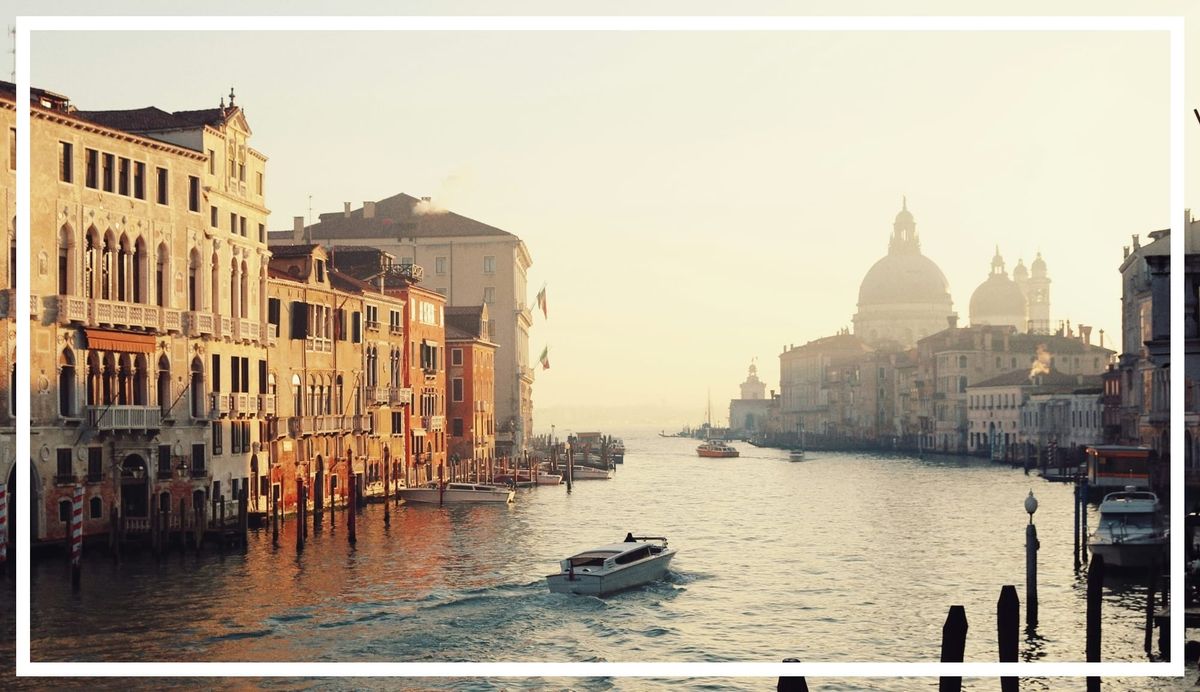
The Mediterranean is a sun-drenched, living gallery where ancient stones whisper secrets of the past. From the sun-bleached marble of Athens to the terracotta crown of Dubrovnik, look beyond the postcard and immerse yourself in the soul of these historic hubs.
Discover our insider guide to five Mediterranean jewels: hand-selected for the discerning traveler who seeks the extraordinary.
Barcelona, Spain: The Canvas of Modernism
Barcelona is a city where architecture breathes. While the world watches the final stages of the Sagrada Família’s construction, the city’s cultural depth extends far beyond Gaudí.
Park Güell: A surrealist playground of tiled mosaics. For the most evocative view, head to the "Three Crosses" hill at sunrise to see the city wake.
Sant Pau Recinte Modernista: The world’s largest Art Nouveau complex; a shimmering forest of stained glass that rivals Gaudí’s most famous works.
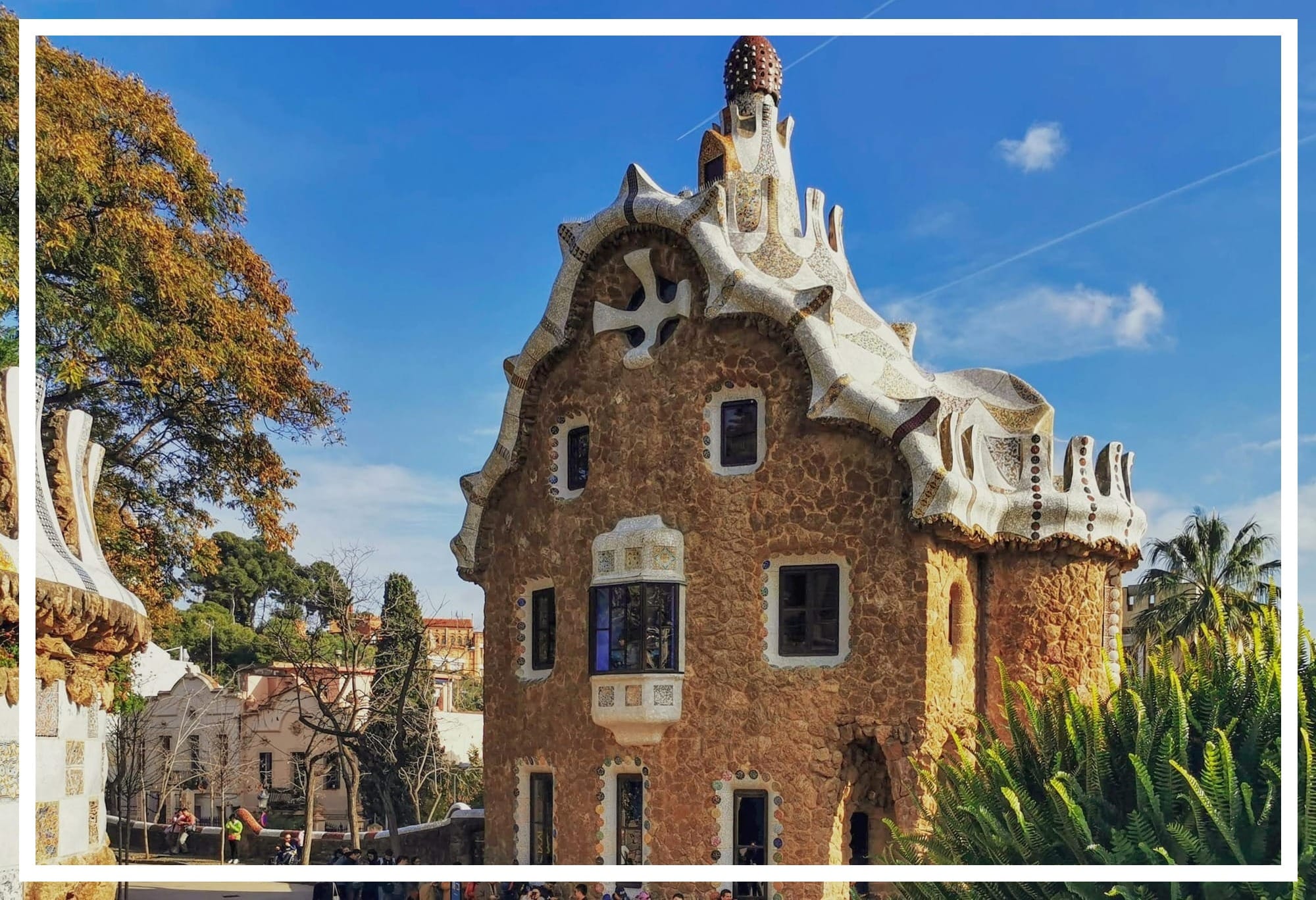
Picasso Museum: Tucked within five medieval palaces, it houses over 4,000 works tracing the master's evolution toward Cubism.
MACBA: The Museum of Contemporary Art, a Richard Meier-designed masterpiece housing the definitive collection of late-20th-century Catalan art.
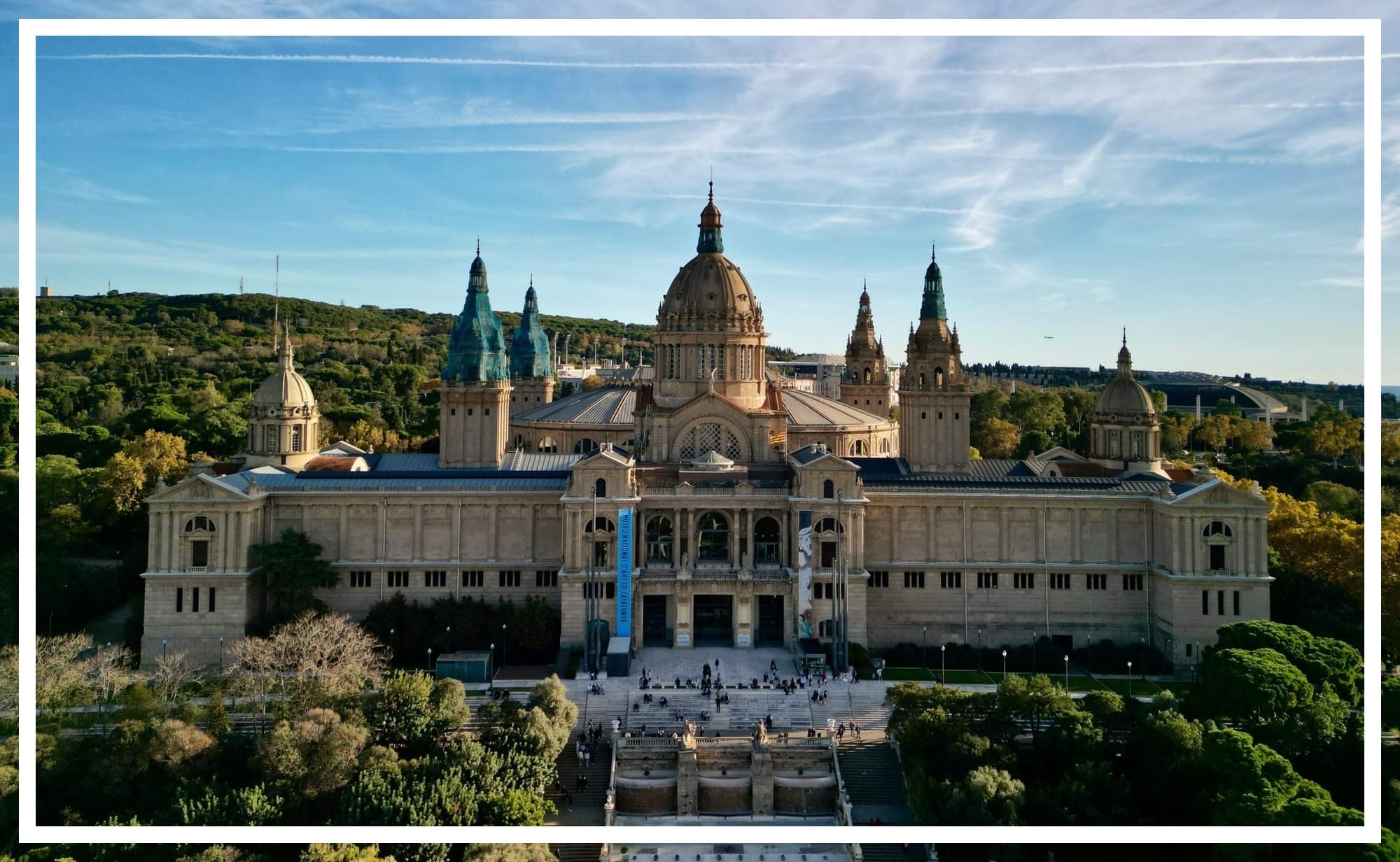
Passadís del Pep: A "menu-less" hidden gem where the chef orchestrates a parade of the day's finest, most exclusive seafood.
Maleducat: A sophisticated, modern take on traditional Catalan "bistronomy" using hyper-local, seasonal ingredients.
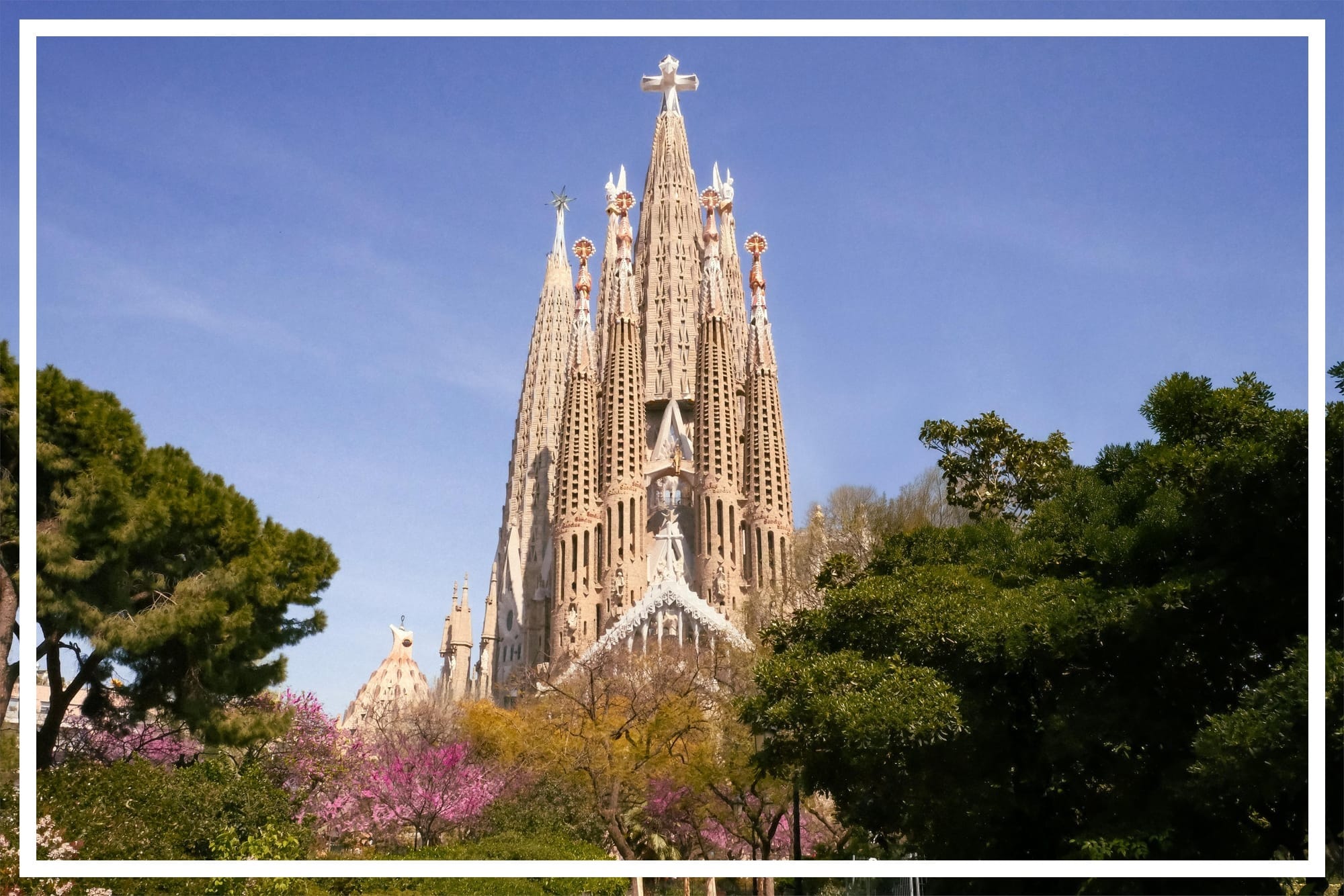
Prestigia Insider Tip: For a surrealist detour, take a private transfer to the Dalí Theatre-Museum in Figueres. It is a brilliant, chaotic journey into a genius mind that offers a profound contrast to Barcelona’s structured Gothic soul.
Valletta, Malta: The Fortress of the Knights
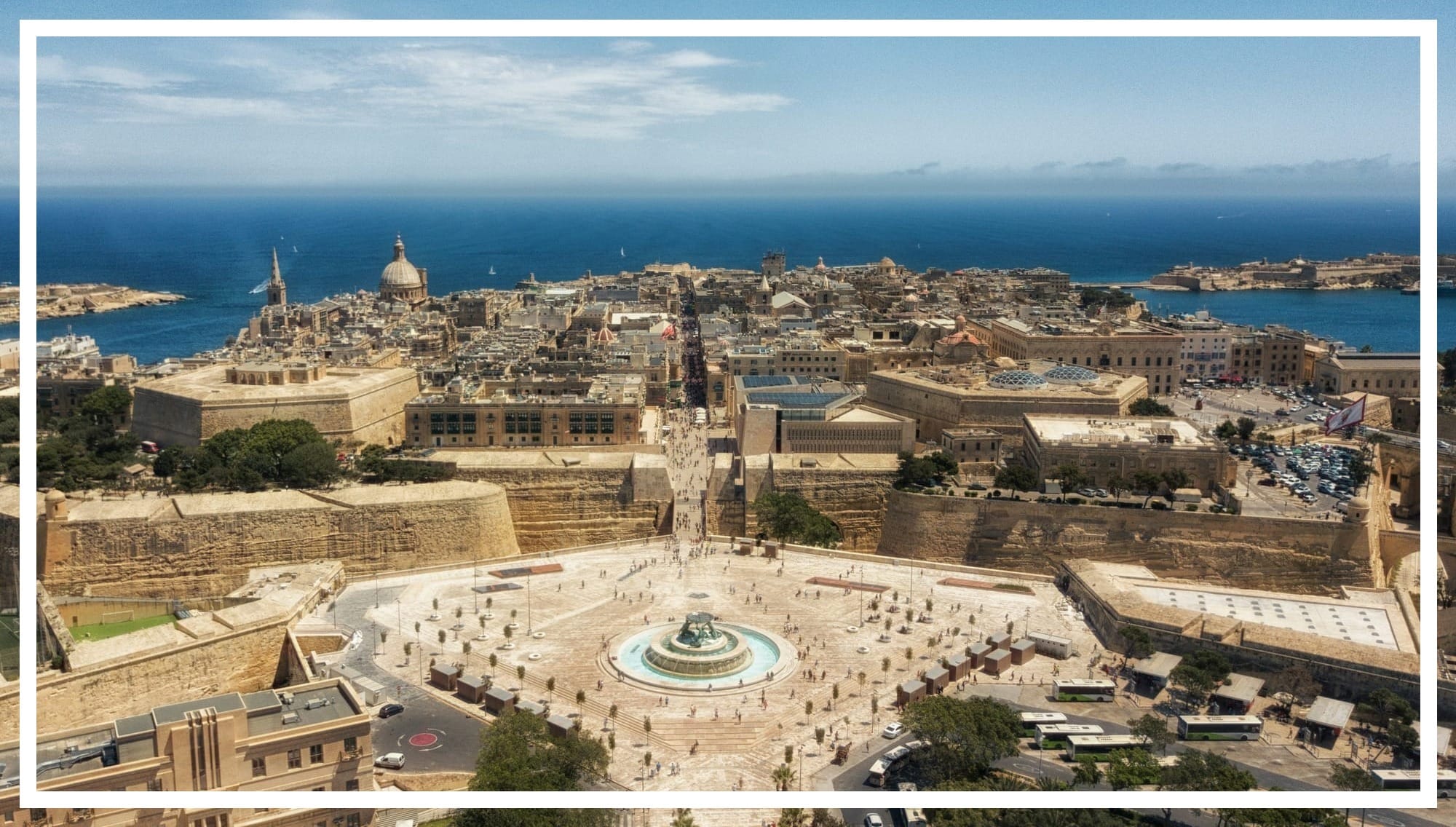
Valletta may be one of Europe’s smallest capitals, but its Baroque density is unmatched: a fortified city of honey-colored limestone and grand, deep-water harbors.
St. John’s Co-Cathedral: Beneath an austere exterior lies an explosion of gold leaf and marble, home to Caravaggio’s only signed masterpiece.
Upper Barrakka Gardens: The highest point of the city walls, perfect for witnessing the Saluting Battery cannon fire at noon over the Grand Harbour.
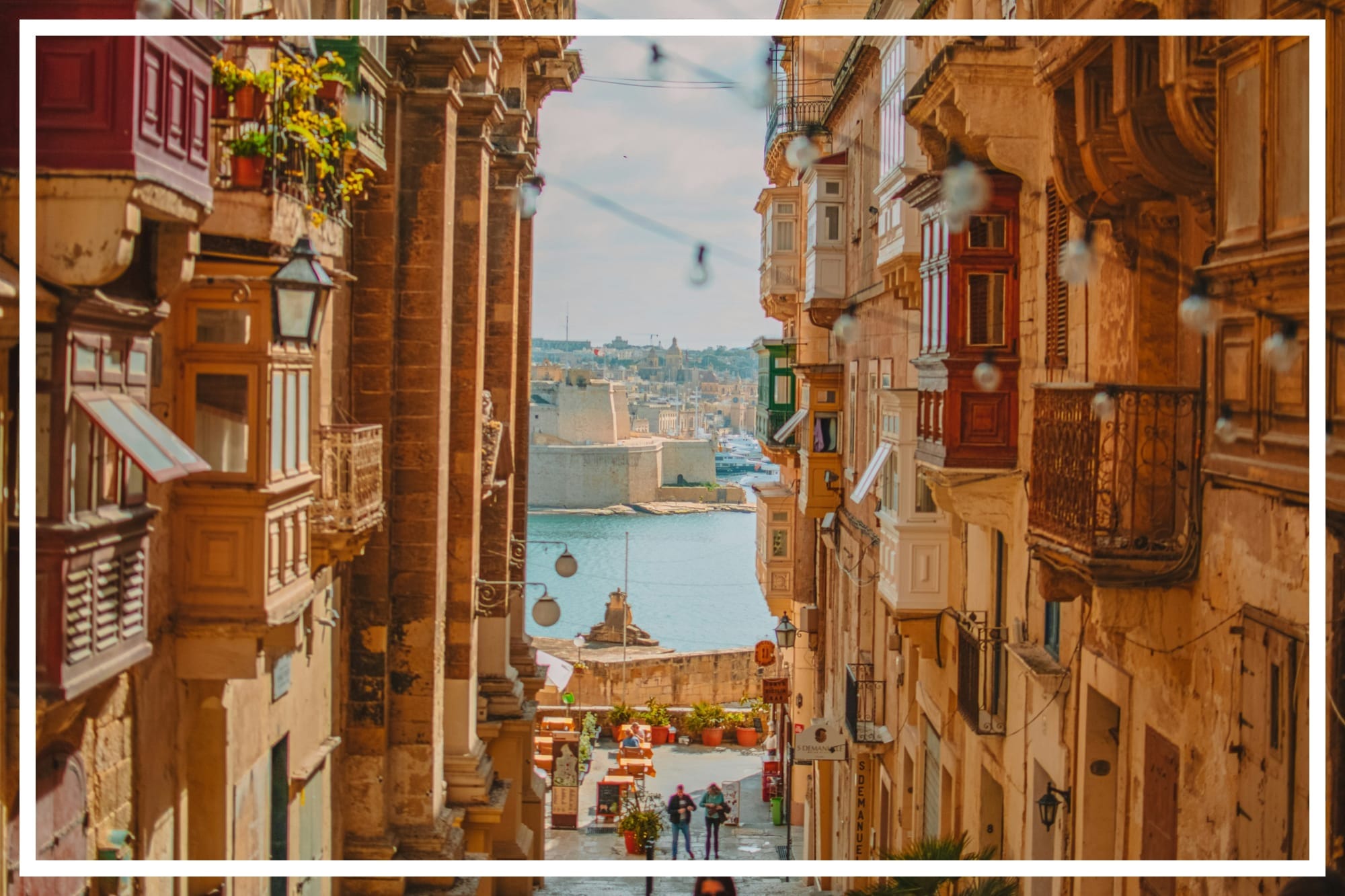
MUŻA: The National Community Art Museum, set in a historic Auberge, using curated narratives to tell the story of the Maltese people.
National Museum of Archaeology: A refined journey through time, housing the world-famous "Sleeping Lady" and artifacts dating back to 5000 BC.
Noni: A Michelin-starred sanctuary in a converted bakery, reimagining traditional Maltese flavors with modern, high-concept finesse.
Guzé Bistro: Set within a 16th-century palazzo, it offers an intimate atmosphere and arguably the island's best slow-cooked rabbit.
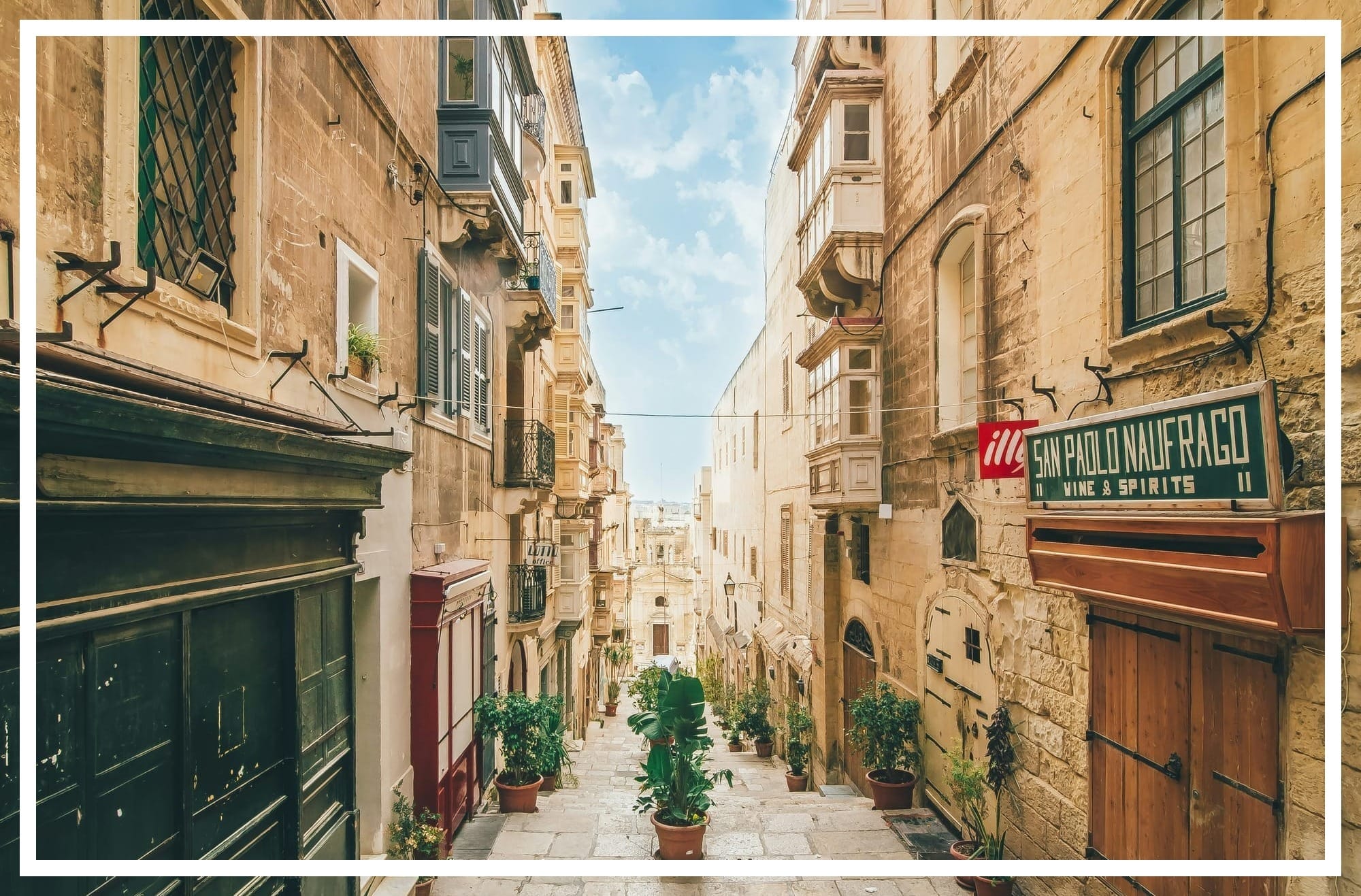
Prestigia Insider Tip: Step into the private world of Maltese nobility at Casa Rocca Piccola. Explore the 16th-century palace rooms before descending into the WWII air-raid shelters carved directly into the rock beneath the dining room.
Florence, Italy: The Cradle of the Renaissance
In Florence, the 15th century feels like yesterday. The air is thick with the legacy of the Medici, yet the city continues to innovate within its legendary stone walls.
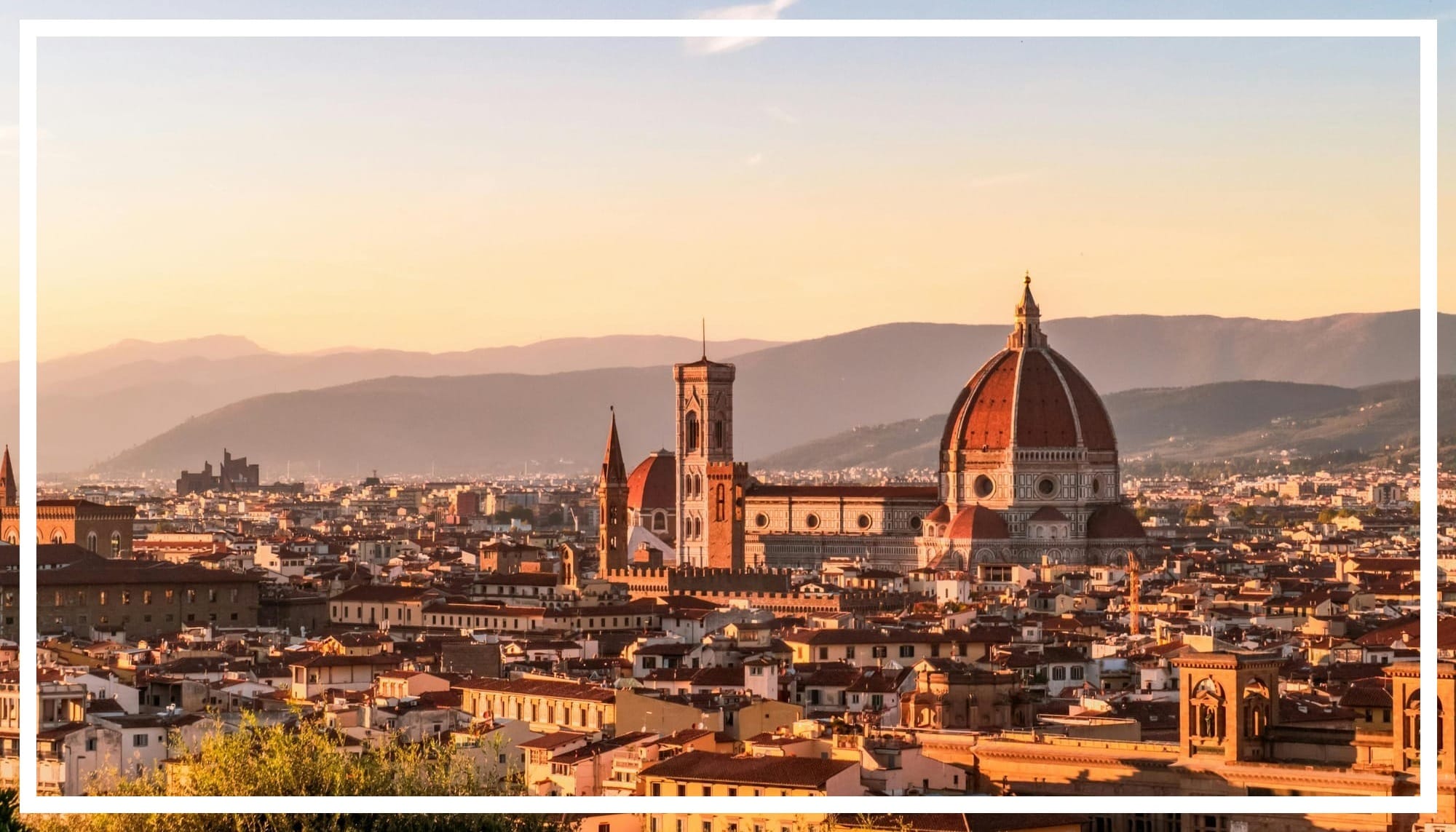
The Duomo & Brunelleschi’s Dome: The ascent offers an intimate look at the Last Judgment frescoes and the most iconic skyline view in the world.
Oltrarno District: Cross the Ponte Vecchio bridge to discover the city's "artisan heartbeat," where gold-leafers and bookbinders still practice Renaissance crafts.
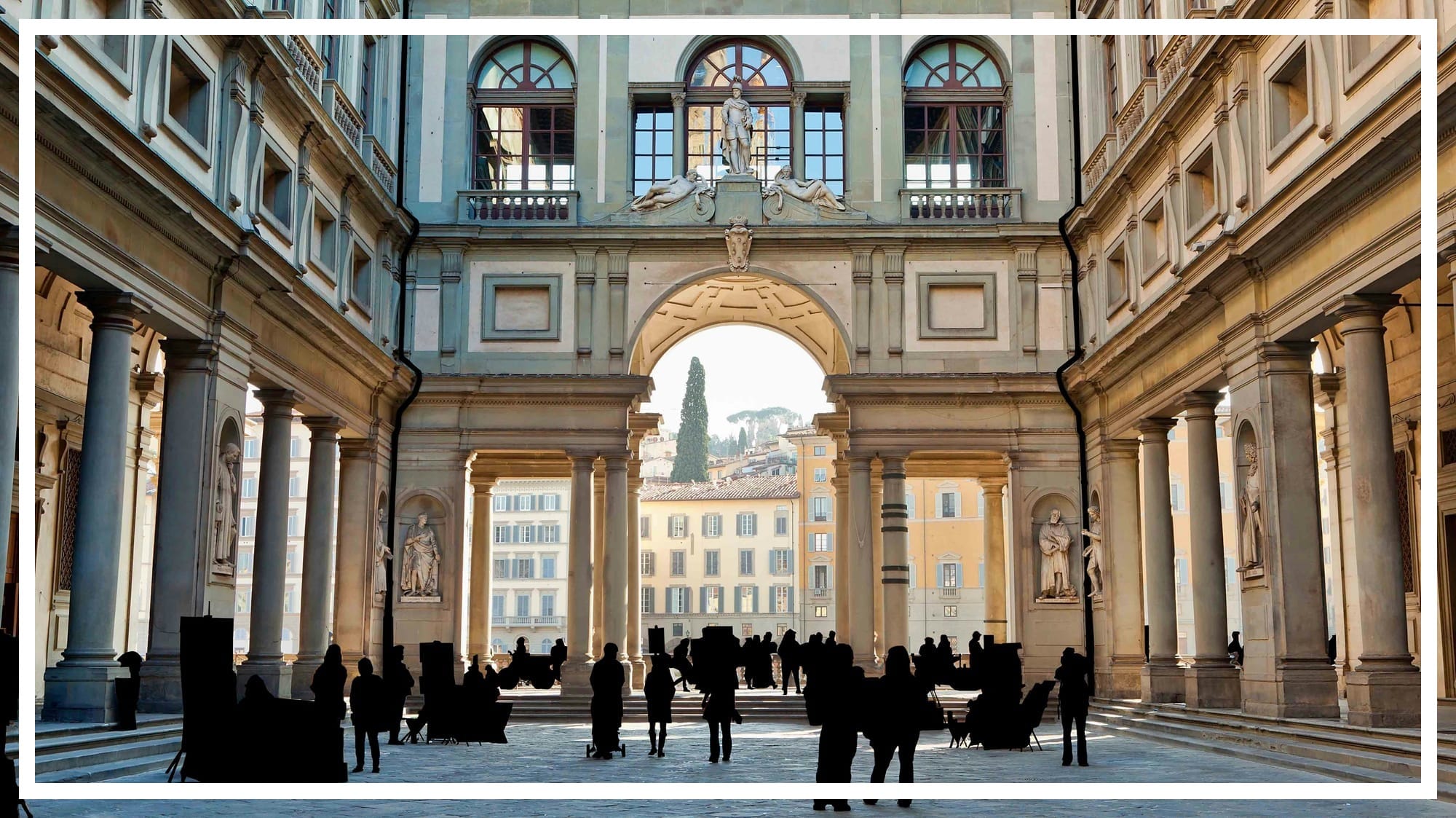
The Bargello National Museum: Often overlooked for the Uffizi, this former prison houses the world’s finest Renaissance sculptures, including Donatello’s David.
Museo Galileo: A captivating intersection of art and science, featuring the original instruments Galileo used to map the heavens.
Buca Lapi: Situated in the former wine cellar of the Palazzo Antinori, it remains the gold standard for an authentic Bistecca alla Fiorentina.
Santa Elisabetta: A prestigious 2-Michelin-star experience located in a Byzantine tower, offering imaginative, precision-led Mediterranean fusion.
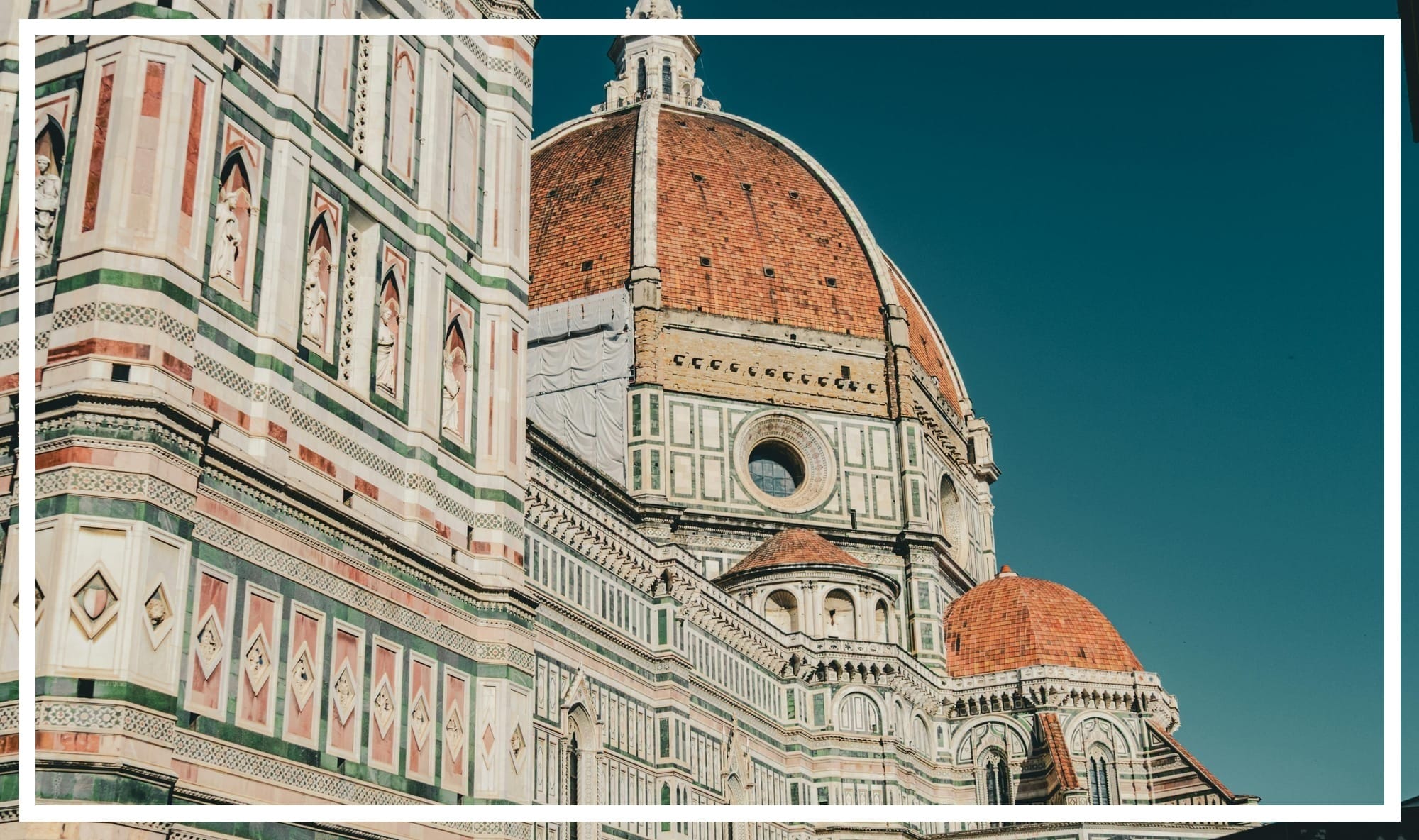
Prestigia Insider Tip: Request access to the Vasari Corridor. This private, elevated passage connecting the Palazzo Vecchio to the Pitti Palace offers a "God's eye view" of the city and is the ultimate experience in Florentine exclusivity.
Athens, Greece: The Ancient Avant-Garde
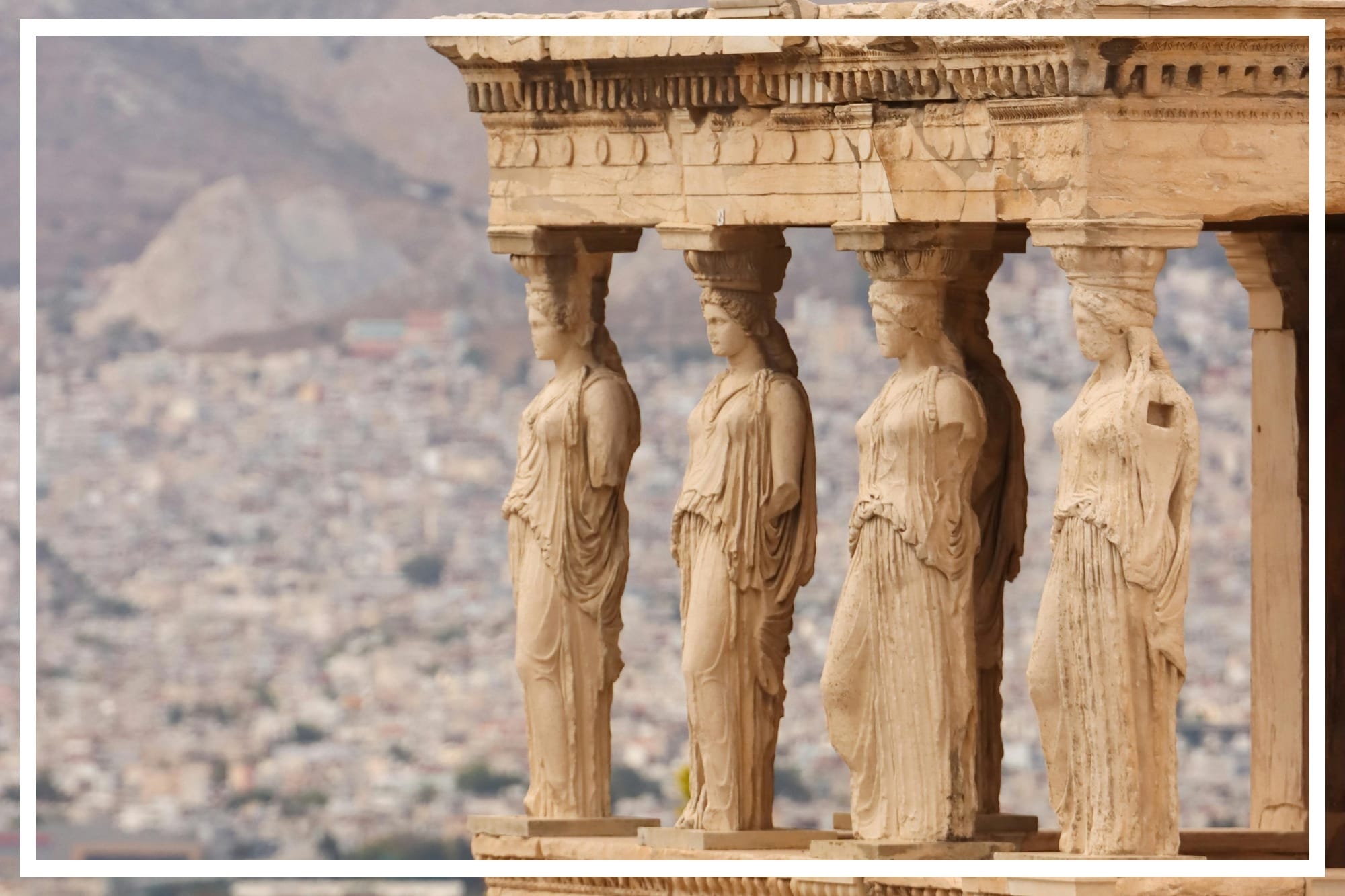
Athens is currently undergoing a creative Renaissance, masterfully blending its 2,500 year-old historical monuments with a gritty, vibrant contemporary art scene.
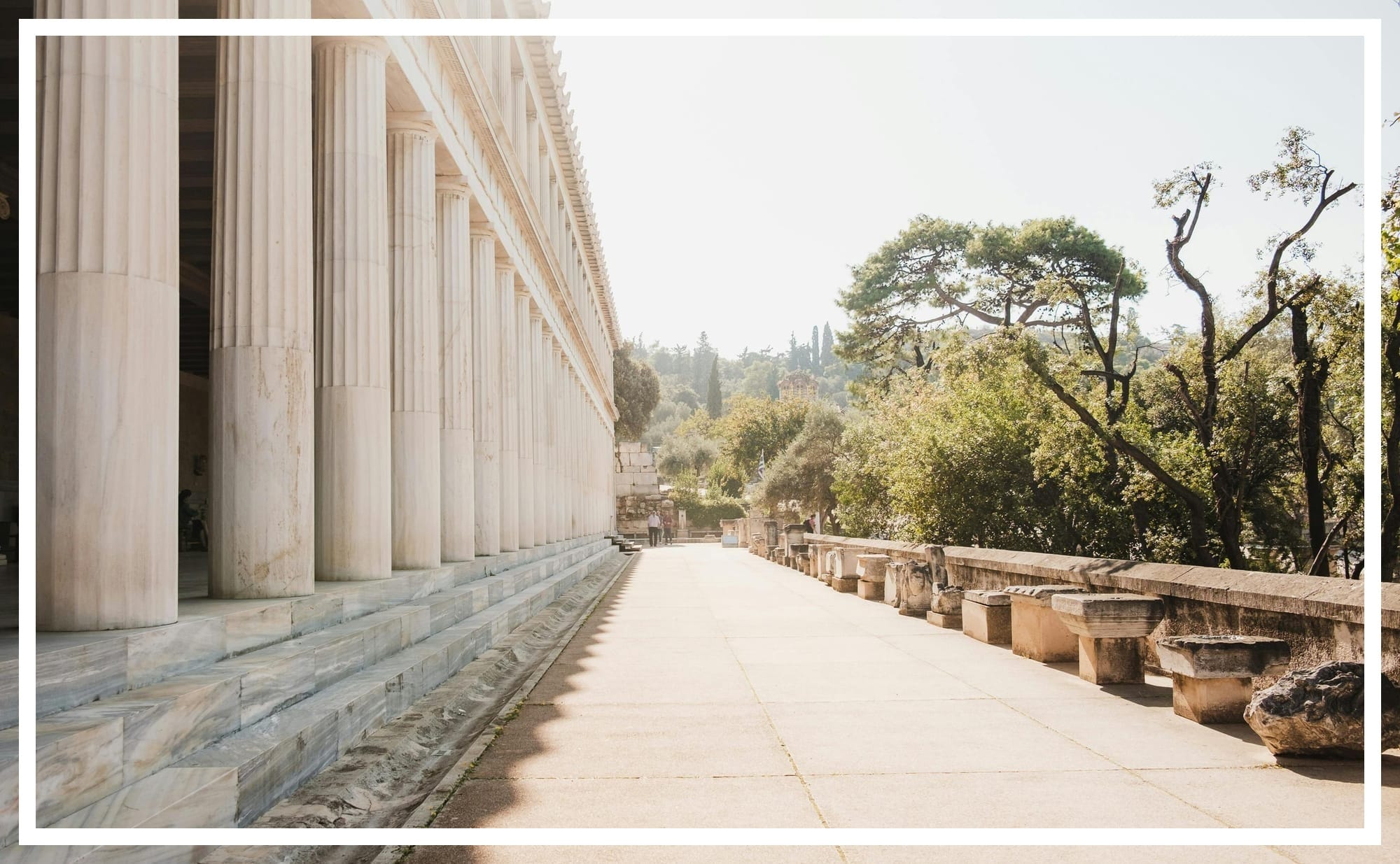
The Ancient Agora: Walk the democratic roots of Western civilization and visit the exceptionally preserved Temple of Hephaestus.
Temple of Olympian Zeus: A colossal reminder of Roman ambition; even with just 15 columns remaining, its scale is breathtaking.
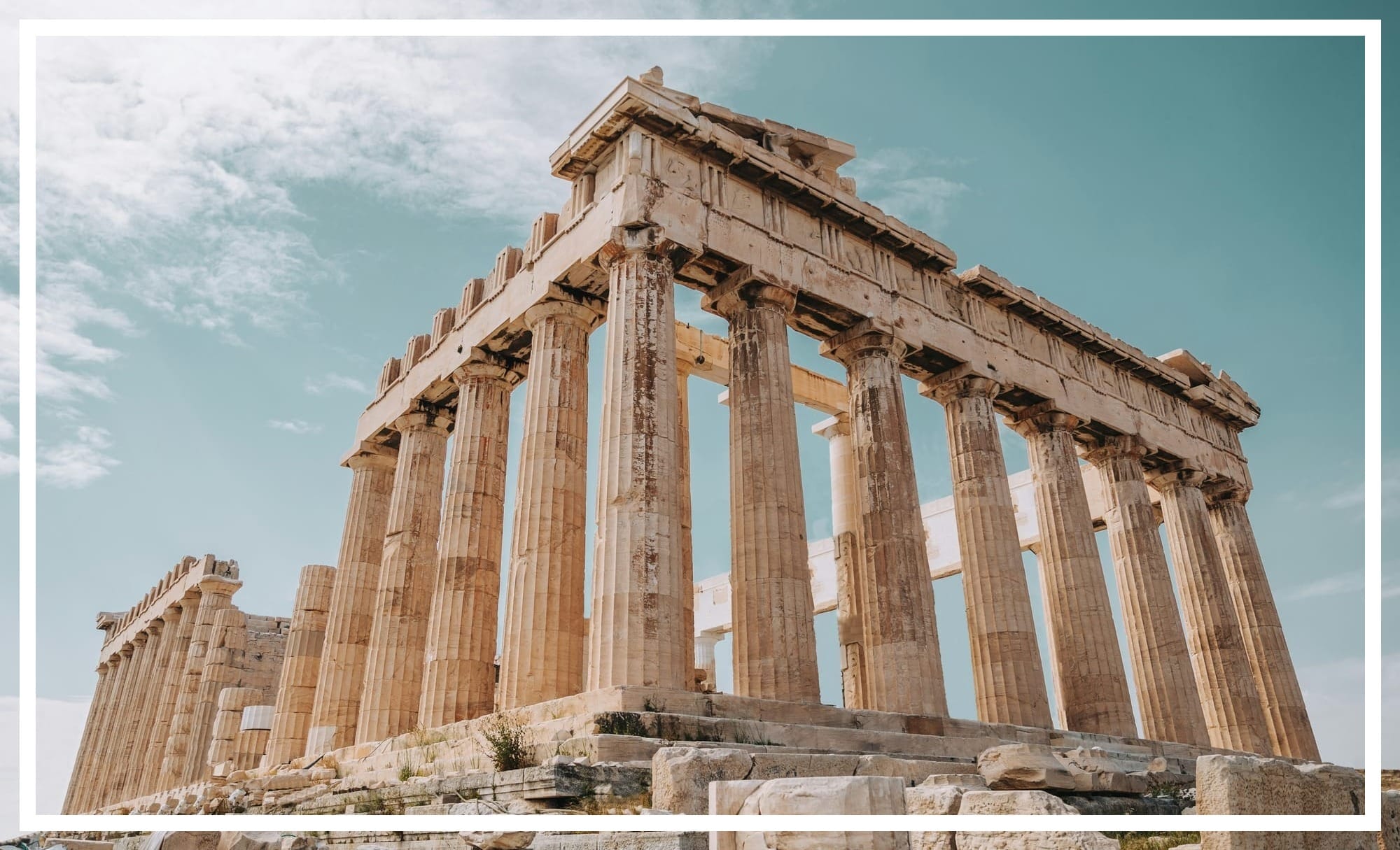
The Acropolis Museum: A glass-and-steel marvel built over ruins, where the Parthenon Gallery is perfectly oriented toward the temple itself.
National Archaeological Museum: The heavyweight of Greek history, home to the Mask of Agamemnon and the mysterious Antikythera Mechanism.
The Dolli: The pinnacle of sophisticated rooftop dining, offering a menu as refined as its unobstructed, panoramic view of the Acropolis.
Mani Mani: A local secret specializing in the rugged cuisine of the Mani region; their handmade pasta and "leeks with pork" are essential.
Prestigia Insider Tip: Escape the metropolitan hum in Anafiotika. This tiny, hidden labyrinth tucked directly under the Acropolis walls feels like a whitewashed Cycladic island lost in the heart of the city.
Dubrovnik, Croatia: The Pearl of the Adriatic
Beyond its cinematic fame, Dubrovnik is a masterclass in maritime history and Mediterranean resilience, framed by the sapphire waters of the Adriatic.
The City Walls: Walking the full 1.9 km circuit at sunset provides an unmatched perspective of the limestone defenses and the sea.
Fort Lovrijenac: "Dubrovnik’s Gibraltar," perched on a 37-meter-high cliff, offering the city’s most dramatic photo opportunity.
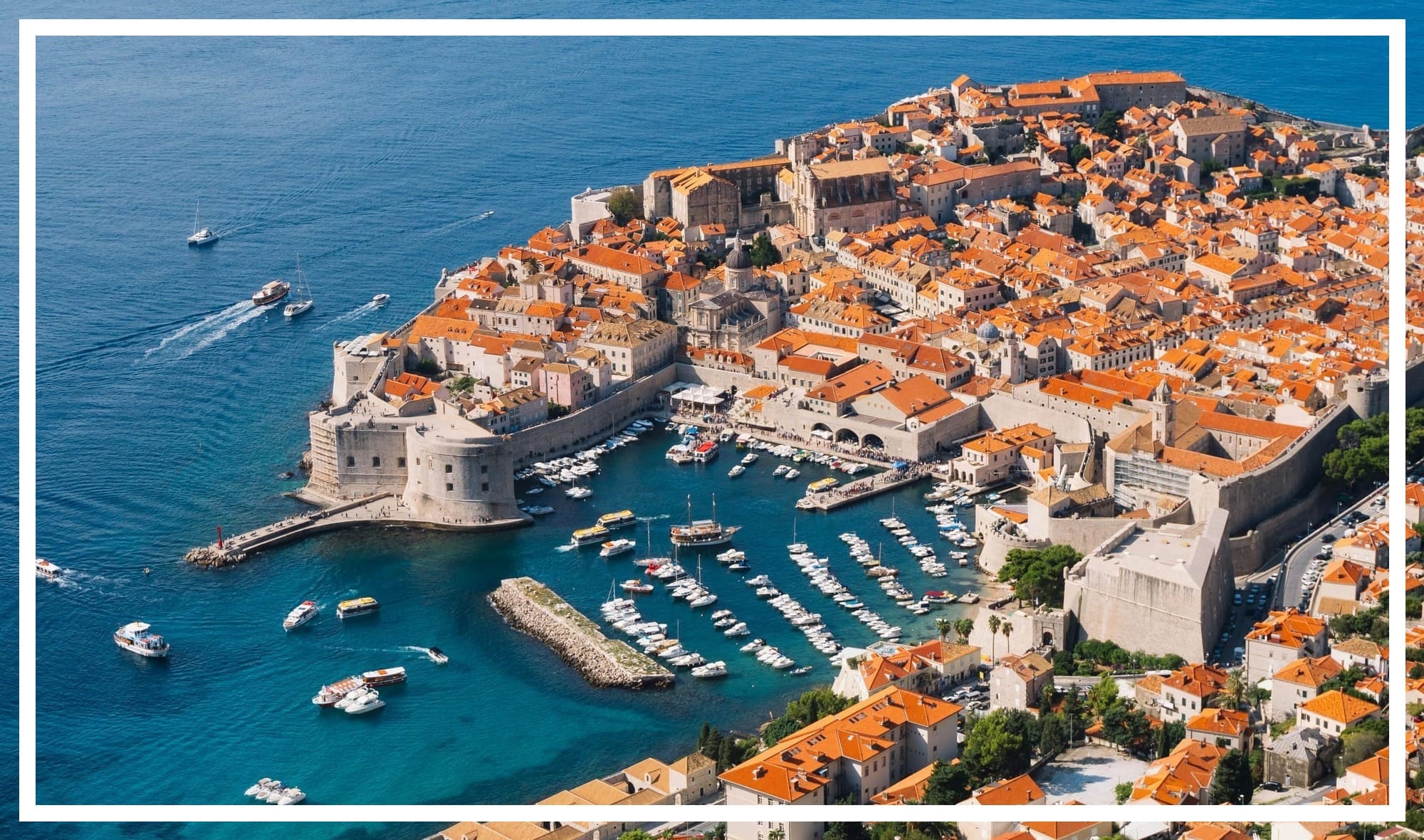
War Photo Limited: A powerful, world-class gallery run by photojournalists, providing essential context to the region’s modern history.
Red History Museum: An interactive, evocative look at life under the socialist Yugoslavian regime, featuring fascinating retro memorabilia.
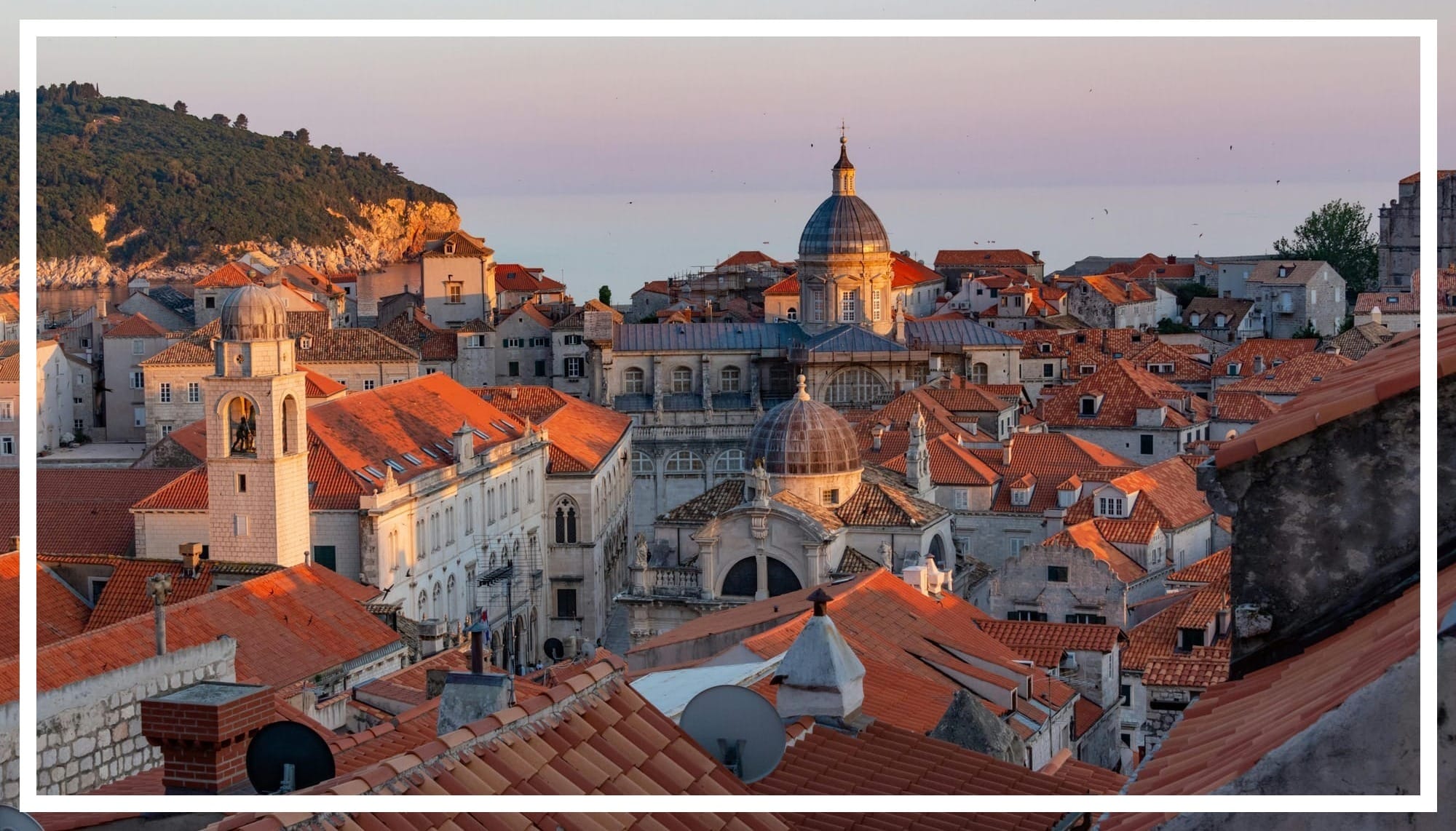
Restaurant 360: Michelin-starred dining integrated into the city walls, where the tasting menu competes only with the view of the old port.
Nautika: Located at the sea’s edge at Pile Gate, offering refined seafood accompanied by the rhythmic sound of waves against the fortress.
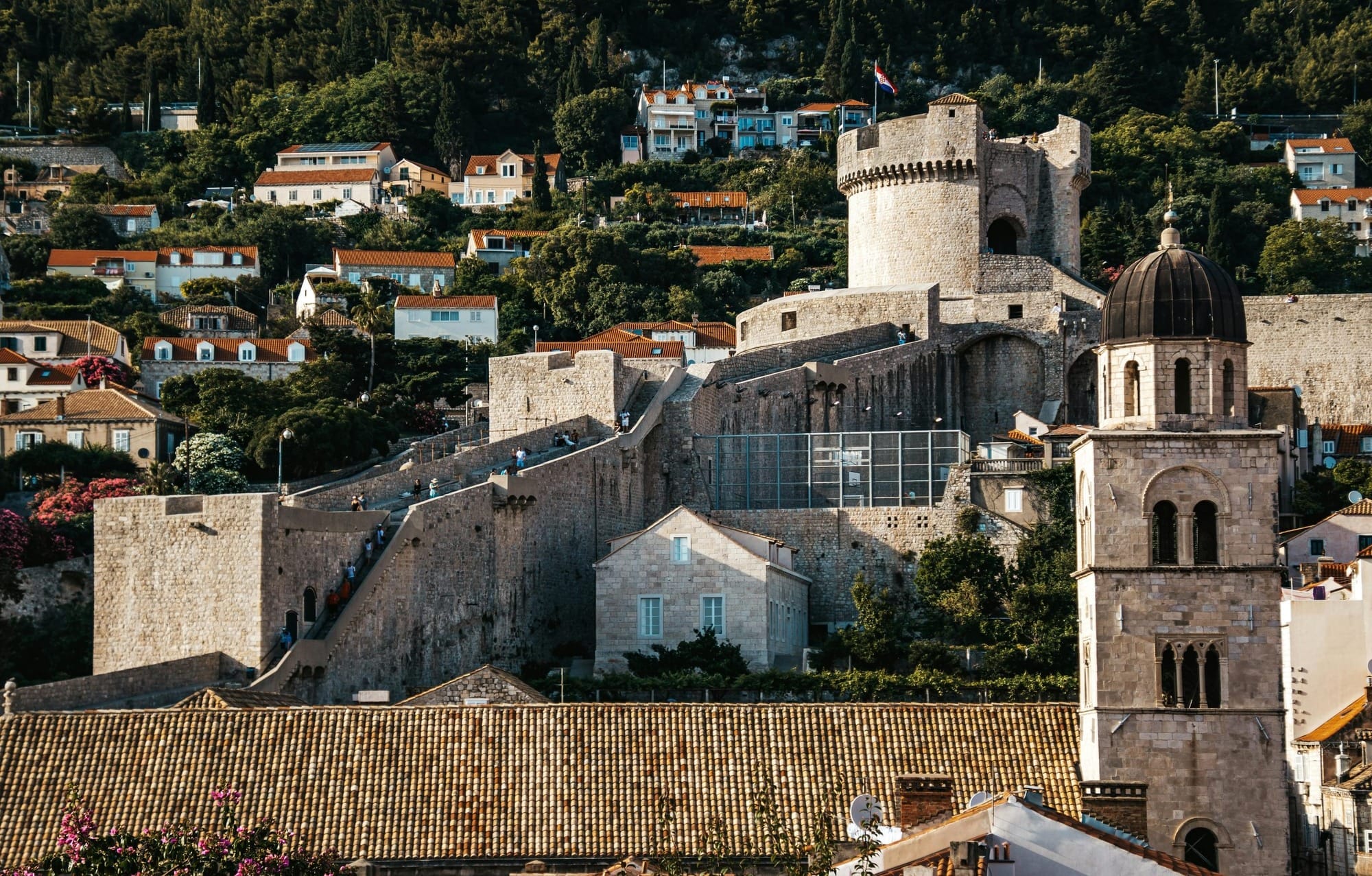
Prestigia Insider Tip: Board a private boat for the 10-minute trip to Lokrum Island. Wander the 11th-century monastery and botanical gardens to find the original "Iron Throne" prop and total serenity away from the crowds.
Bonus Prestigia Insider Tip: The "Golden Hour" Strategy
Across these five legendary cities, the Mediterranean light is at its most transformative during the "Golden Hour": that ethereal window just before the sun dips below the horizon. To truly capture the soul of each destination, we recommend these vantage points:
In Barcelona: Ascend to the Bunkers del Carmel for a 360° view where the city’s grid meets the sea in a violet haze.
In Valletta: Cross to Senglea’s Gardjola Gardens to watch the limestone bastions of the capital glow like molten gold.
In Florence: Join the local ritual at Piazzale Michelangelo, where the Arno reflects the Duomo’s silhouette in perfect stillness.
In Athens: Scale Lycabettus Hill to witness the Parthenon ignite against the backdrop of a deepening Saronic Gulf.
In Dubrovnik: Glide up the Cable Car to Mount Srđ, where the "Pearl of the Adriatic" glitters beneath you like a jewel box.
Watching the sun set from these heights, with centuries of history laid at your feet, is more than a photo opportunity: it is the quintessential Prestigia travel experience.

Ready to book your own Mediterranean masterpiece? Explore our hand-picked selection of boutique hotels and luxury stays at Prestigia.com.
Which of these cultural capitals is calling your name?