Futuristic Luxury or Ancient Traditions: How to Balance Ryokans and City Hotels on Your Japan Itinerary

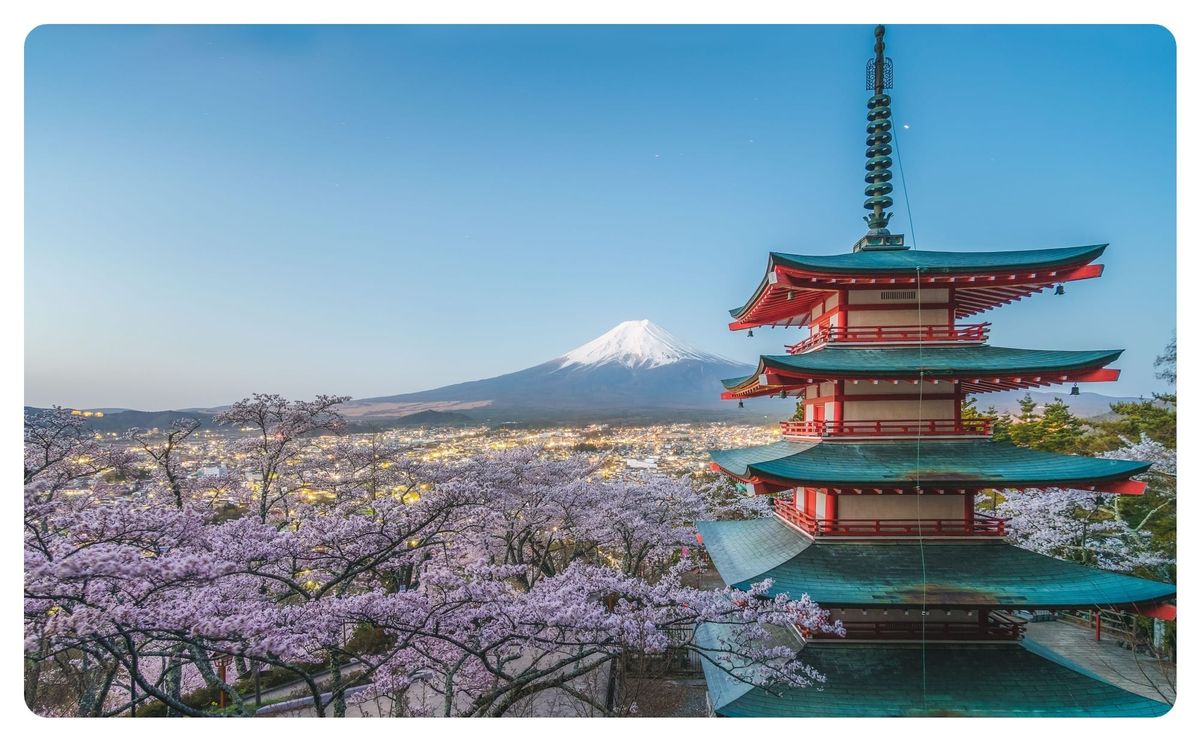
To travel through Japan is to move fluidly between eras. One morning you are taking in Tokyo’s skyline from a high-rise glass tower; the next, you are walking across sunlit tatami mats toward an open-air cedar bath framed by maple trees and mountain mist.
The most compelling Japanese journeys do not force a choice between hyper-modern city stays and centuries-old traditional inns. The magic lies in the contrast, using sleek urban towers for energy, high-tech luxury, and seamless logistics, and heritage retreats for quiet recovery, mindful living, and cultural depth. At Prestigia, we handpick exceptional stays across Japan to help you strike the perfect balance between urban sophistication and timeless tradition.
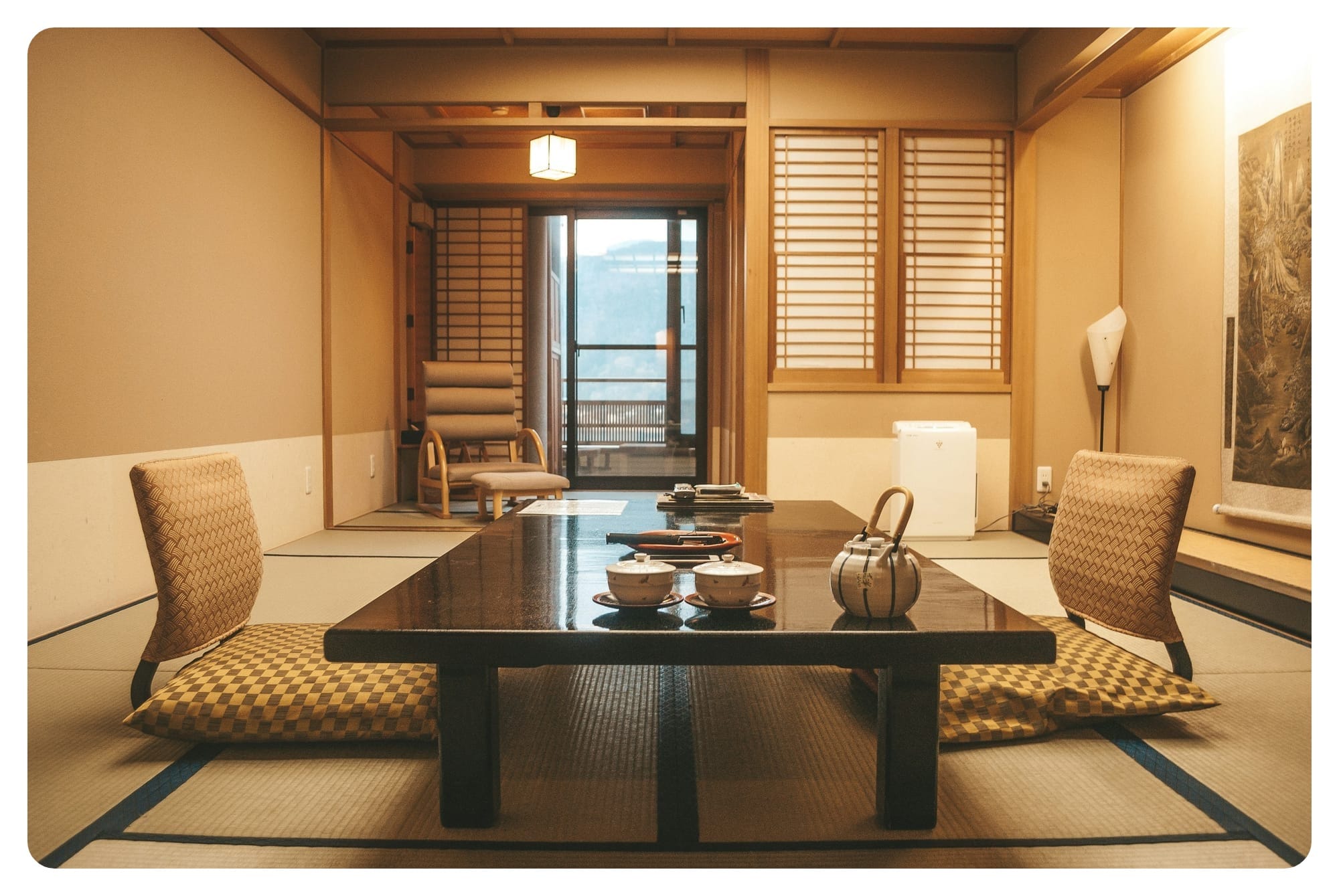
A traditional ryokan is far more than a place to sleep, it is an immersive cultural experience built around the art of omotenashi (unconditional Japanese hospitality). Originating during the Nara period as rest stops along historic trade routes, these traditional inns have evolved into world-class sanctuaries focused on rest and reflection.
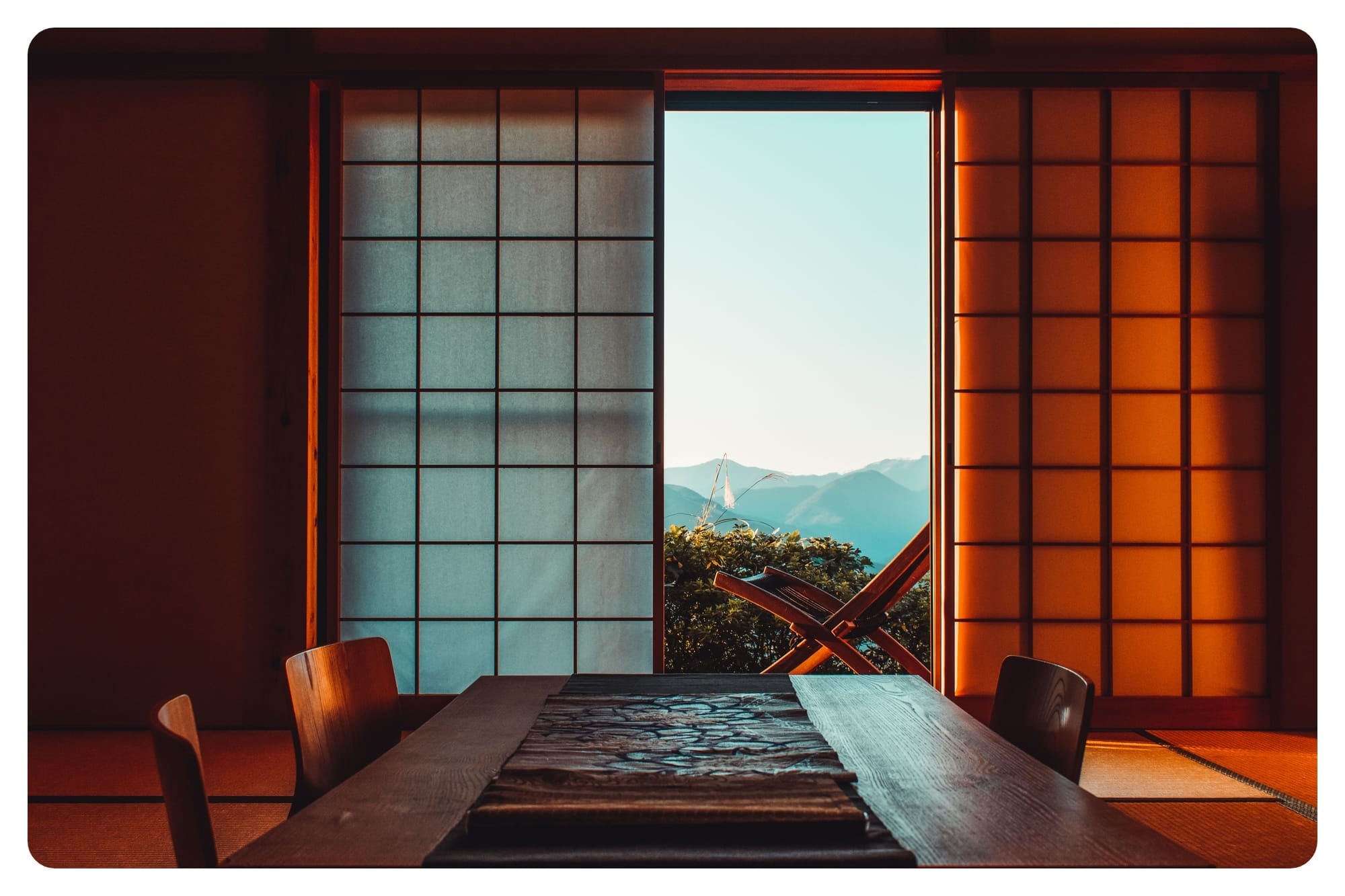
Stepping into a ryokan means stepping into a centuries-old ritual. Guests exchange outdoor shoes for soft slippers at the threshold, walk across woven straw tatami mats, and reside in minimalist suites defined by sliding paper shoji screens and fragrant cedarwood. The rhythm of a stay centers on three pillars: bathing in natural, mineral-rich thermal waters (onsen), unwinding in soft cotton yukata robes, and enjoying multi-course kaiseki dinners, an artistic culinary tradition highlighting hyper-seasonal local ingredients.
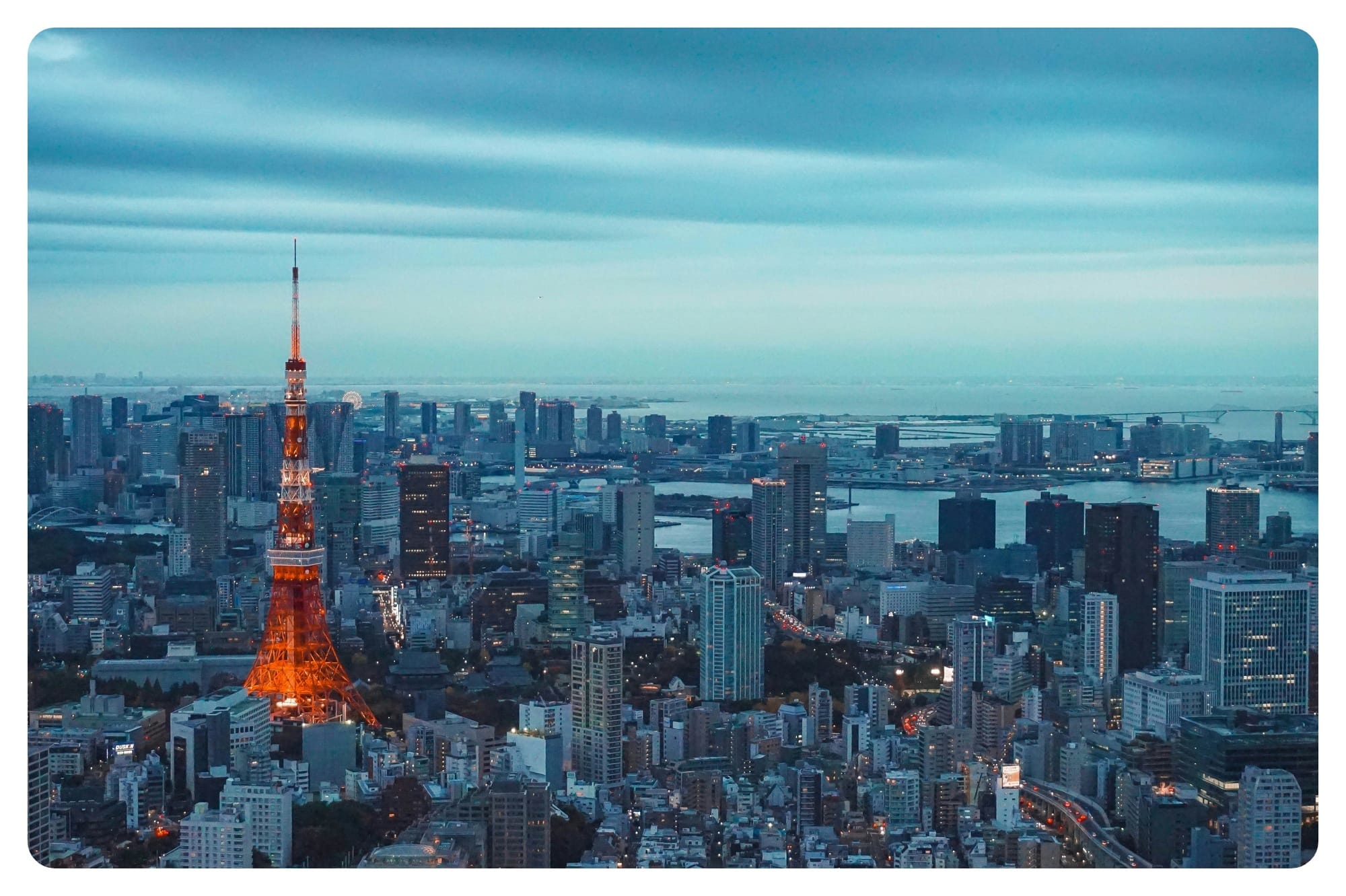
Japan’s modern luxury hotels are masterclasses in architectural design and urban precision. Rising high above dynamic districts in Tokyo, Kyoto, and Osaka, these properties offer floor-to-ceiling views, high-tech comfort, and immediate access to world-class dining, shopping, and nightlife.
Architect Kengo Kuma designed this soaring hotel to feel like a vertical botanical garden in the sky. Warm natural wood tones, lush greenery, and organic textures frame views of Tokyo Tower, providing an understated, elevated retreat in the capital's financial center.
Located inside the landmark Tokyu Kabukicho Tower, this property captures the artistic energy of Shinjuku. Featuring music-inspired interiors, retro-chic detailing, and sweeping skyline views, it serves as an ideal base for exploring Tokyo's vibrant nightlife and creative culture.
Merging a historic 1926 telephone exchange building with a contemporary structure designed by Kengo Kuma, this hotel blends Western creative culture with traditional Japanese craftsmanship right in the heart of Kyoto.
Housed behind a minimalist black glass facade designed by Tadao Ando, W Osaka opens up into a vibrant, neon-accented interior that reflects the spirited, culinary-focused culture of Osaka's bustling Midosuji Boulevard.
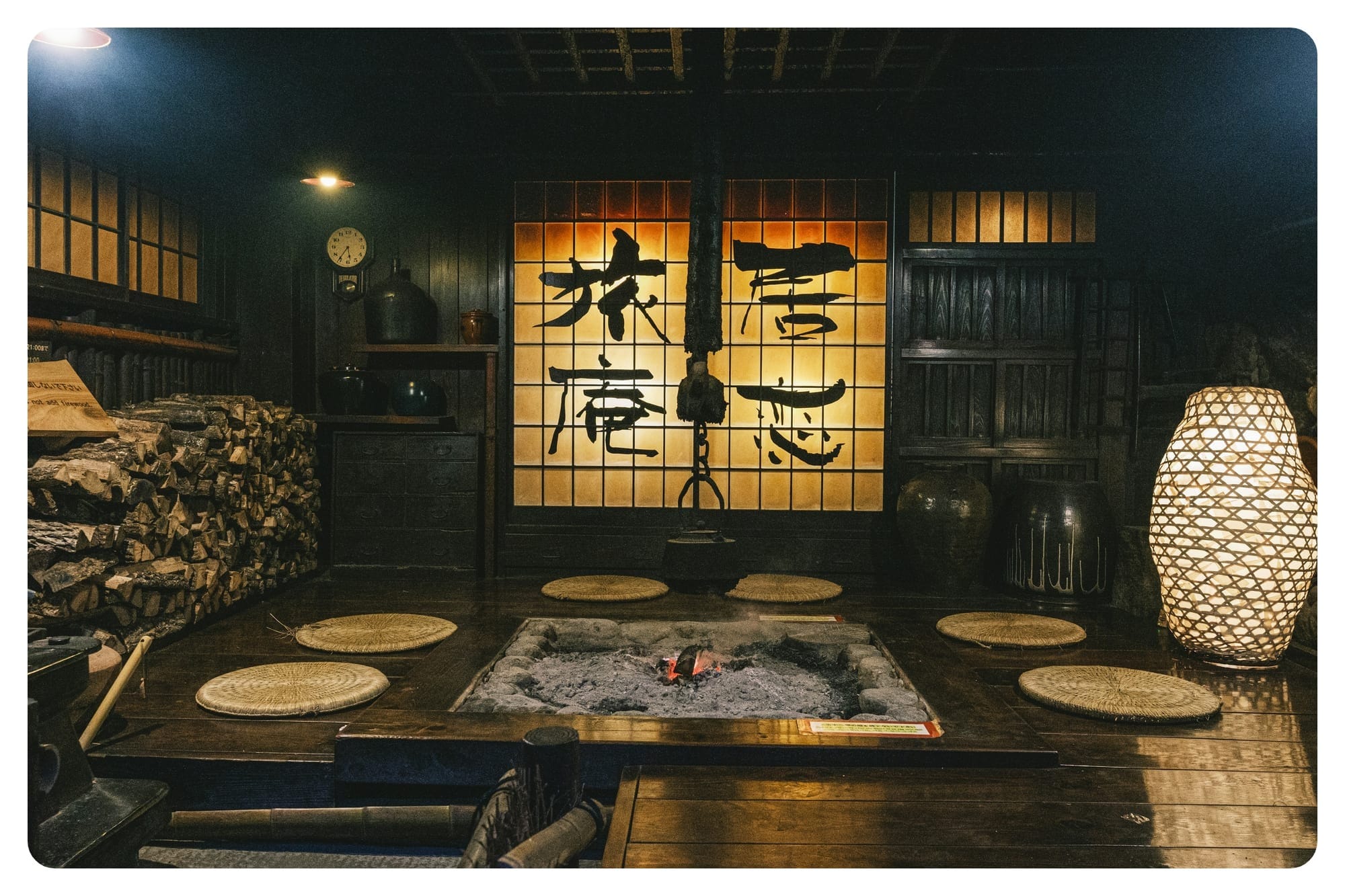
To balance the fast pace of Japan’s metropolitan centers, heritage retreats offer complete sensory rest. Surrounded by dense pine forests, riverbanks, or quiet Japanese gardens, these stays ground your itinerary in history and seasonal mindfulness.
A vertical ryokan set in Tokyo's central Otemachi district. Guests walk barefoot across soft woven matting through tatami-lined corridors, enjoy dedicated tea lounges on every floor, and soak in an open-air top-floor onsen fed by hot springs drawn from deep beneath the city.
Flanked by mountain forests and the rushing Sukumo River, this riverfront retreat centers around open-air timber hot-spring baths, local Yosegi-zaiku marquetry woodwork, and seasonal kaiseki dining that celebrates regional mountain harvest.
Tucked into the hills of Hakone, this historic ryokan features expansive private Japanese gardens, classic wooden architecture, and mineral-rich hot springs that have welcomed imperial family members and literary icons for generations.
Situated along Kyoto’s Takano River for over 400 years, guests enter through a historic wooden gate into manicured landscape gardens, taking in quiet riverside views, authentic tea culture, and multi-generational culinary heritage.
While contemporary city towers operate on flexible Western rhythms, offering 24/7 room service, plush elevated mattresses, skyline hydrotherapy pools, and international fusion dining, the traditional ryokan moves to an intentional, restorative tempo. At a ryokan, meal times are structured around hyper-seasonal kaiseki tasting menus served directly in your suite, private futons are carefully laid out on aromatic tatami mats while you dine, and wellness revolves around the sacred ritual of soaking in natural, mineral-dense thermal springs.
To feel entirely at ease during your traditional stay, keep a few fundamental customs in mind:
- Footwear Protocol: Always remove your street shoes at the genkan (entrance) when entering a ryokan and step into the provided slippers. Remove these slippers entirely before stepping onto delicate straw tatami mats in your suite, walking either barefoot or in socks. Dedicated wooden or plastic slippers are provided specifically for bathroom use.
- The Onsen Ritual: Thermal hot springs are dedicated solely for soaking, not washing. Before entering any communal or private bath, sit at individual washing stations to thoroughly wash and rinse your body.
- Modesty Towels & Swimwear: Swimsuits are strictly prohibited in authentic onsen baths. You will be given a small hand towel (tenugui); use it for discretion when walking between the shower station and the bath, but keep it out of the thermal water by placing it on the edge of the tub or folding it atop your head while soaking.
- Wearing the Yukata: Guests are encouraged to wear provided cotton yukata robes around the property and to dinner. When wrapping your yukata, always fold the left side over the right side; wrapping right over left is traditionally reserved for funereal rites.

Discover your balance between modern innovation and ancient tradition. Explore our handpicked collection of Japanese stays and book directly at Prestigia.com.