Palace Hotels & Heritage Stays in Rajasthan: A Traveler's Guide to India's Most Extraordinary Historic Properties
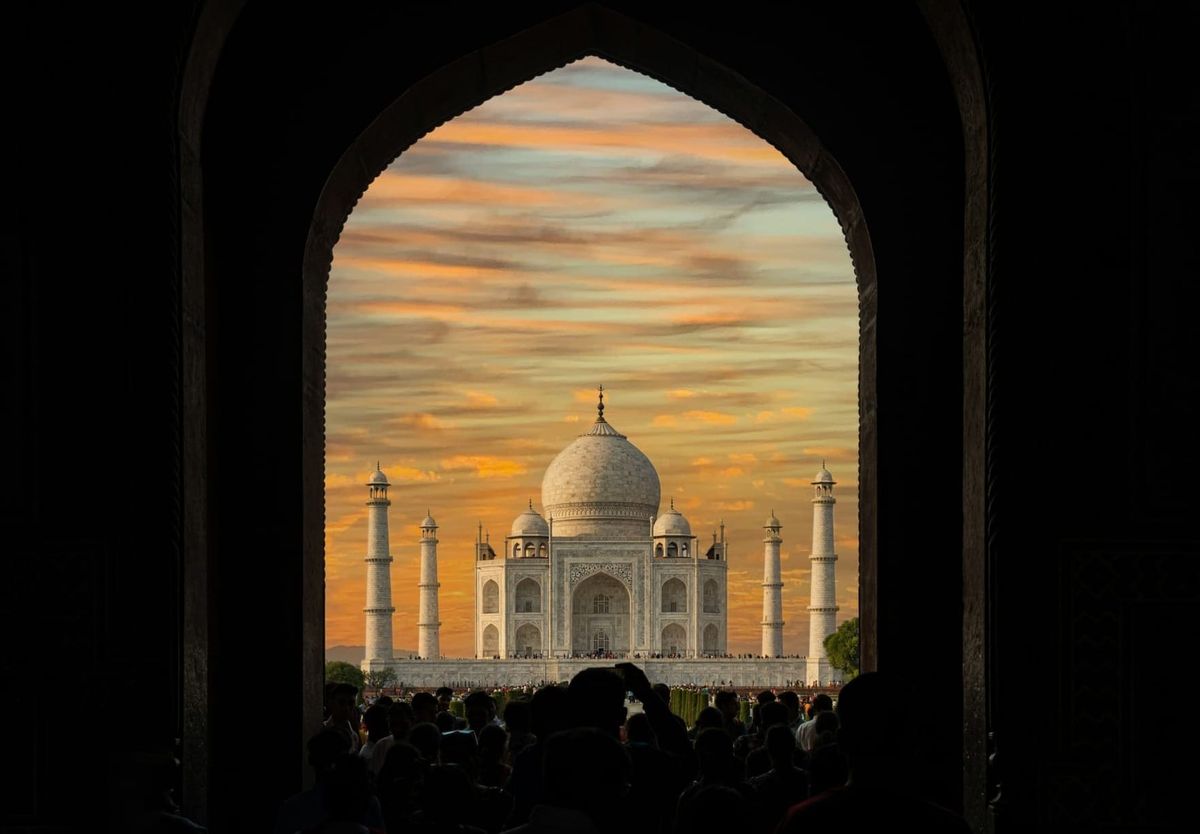
Rajasthan, the Land of Kings, holds a rich architectural legacy of towering fortresses and grand sandstone estates. Many of these historic properties now operate as world-class heritage hotels, allowing travelers to experience true royal hospitality. This guide outlines a seamless journey across six authentic historic palaces and forts.
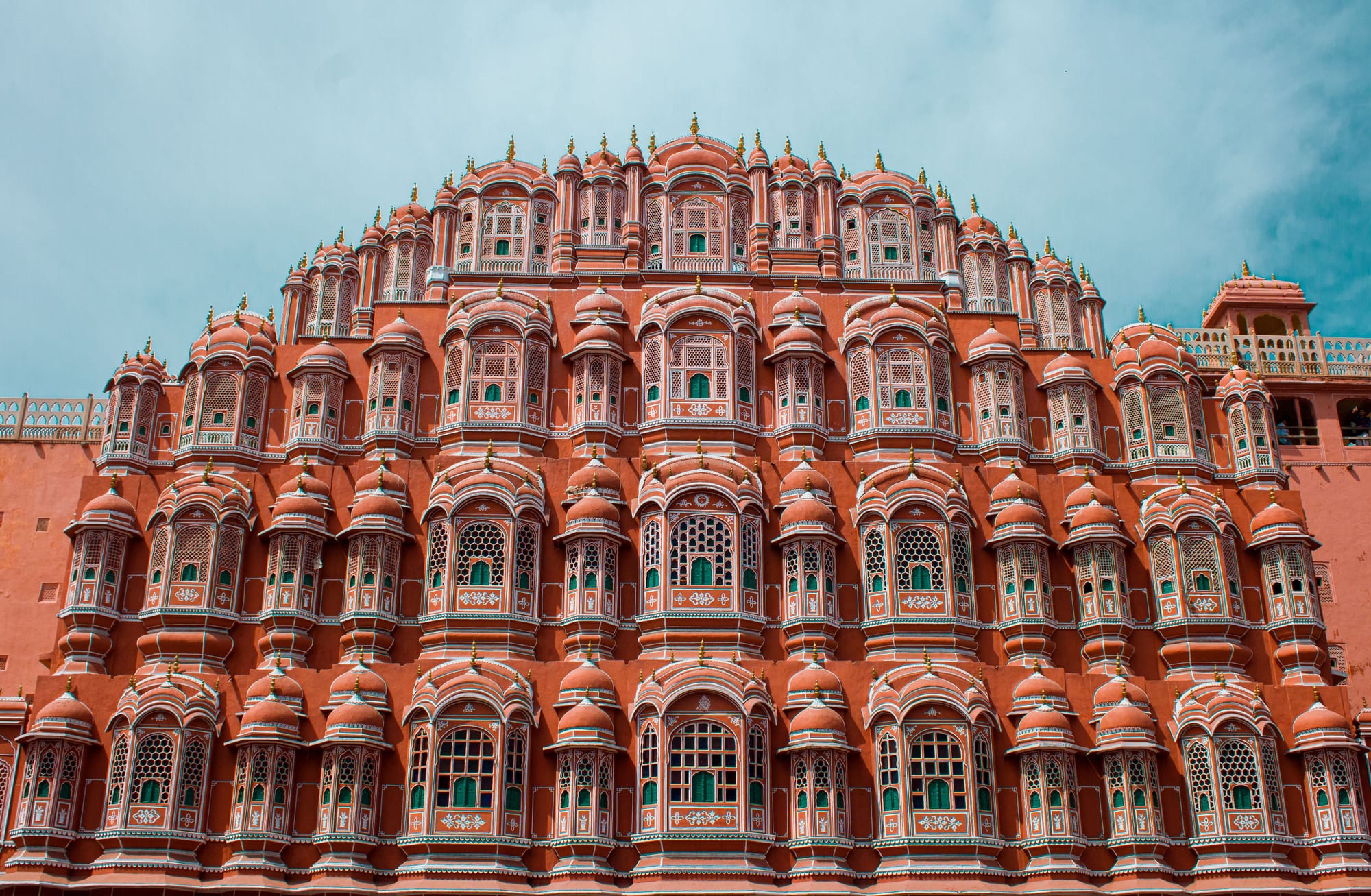
The Jaipur Region: The Pink City
Jaipur is the natural starting point for a luxury Rajasthan tour, famed for landmarks like the Hawa Mahal and Amber Fort.
Built in 1835 as a royal hunting lodge, Rambagh evolved into the primary residence of Maharaja Sawai Man Singh II.
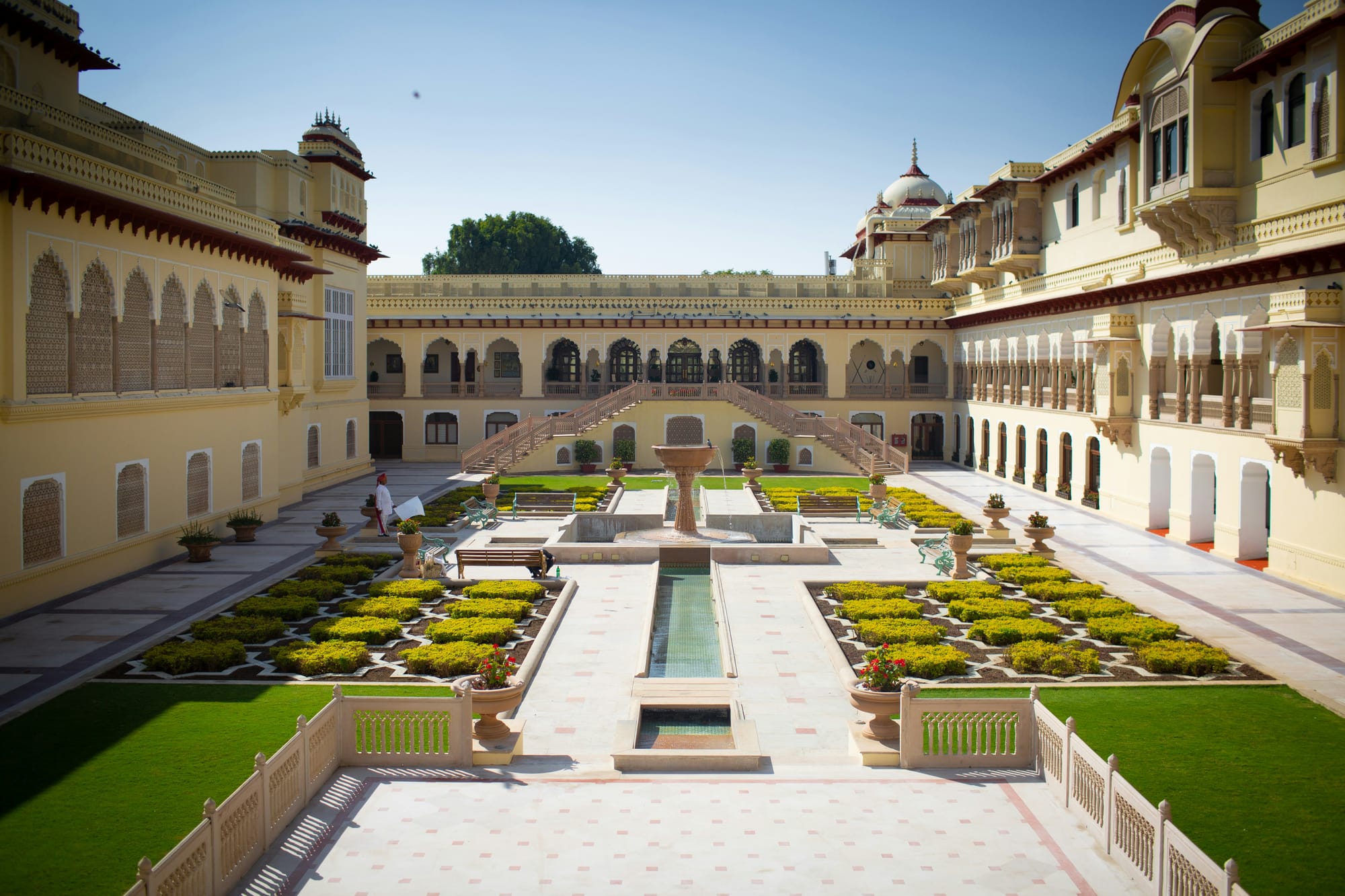
Historic Architecture: Features sweeping white marble corridors, sandstone balustrades, and 47 acres of pristine Mughal gardens with roaming peacocks.
Unique Guest Experience: Guests can dine at Steam, a restored 1915 vintage steam train turned lounge, or take an evening tour in a royal horse-drawn carriage.
Insider Tip: Request a historical suite in the original wing to experience authentic hand-painted silk drapes and original royal layouts.
Located an hour outside the city, this 230-year-old medieval defensive fort is perched on a massive granite hill.
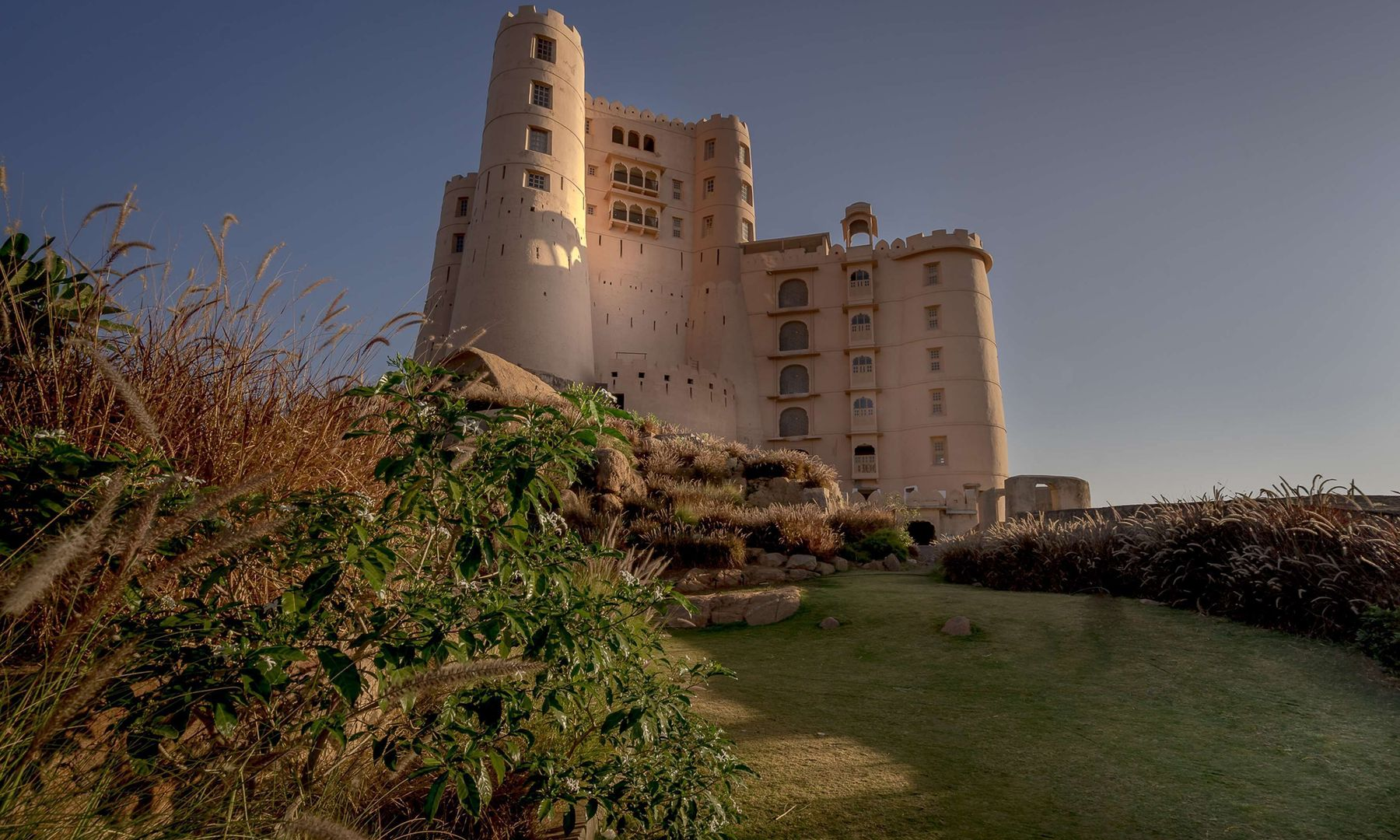
Historic Architecture: Heavy stone battlements and secret passages contrast with minimalist modern interiors featuring polished concrete and local white marble.
Unique Guest Experience: Dine at Nazaara, an open-air rooftop terrace restaurant serving traditional Rajput hunter cuisine cooked over open sand pits.
Insider Tip: Position this property at the very beginning or end of your itinerary as a peaceful sanctuary away from urban congestion.
The Sawai Madhopur Region: Near Ranthambore
With rugged scrub forests, this region is home to the tigers of Ranthambore National Park.
A 14th-century royal citadel constructed by the Chauth Ka Barwara royal family, meticulously restored to preserve two original palaces and two ancient temples.
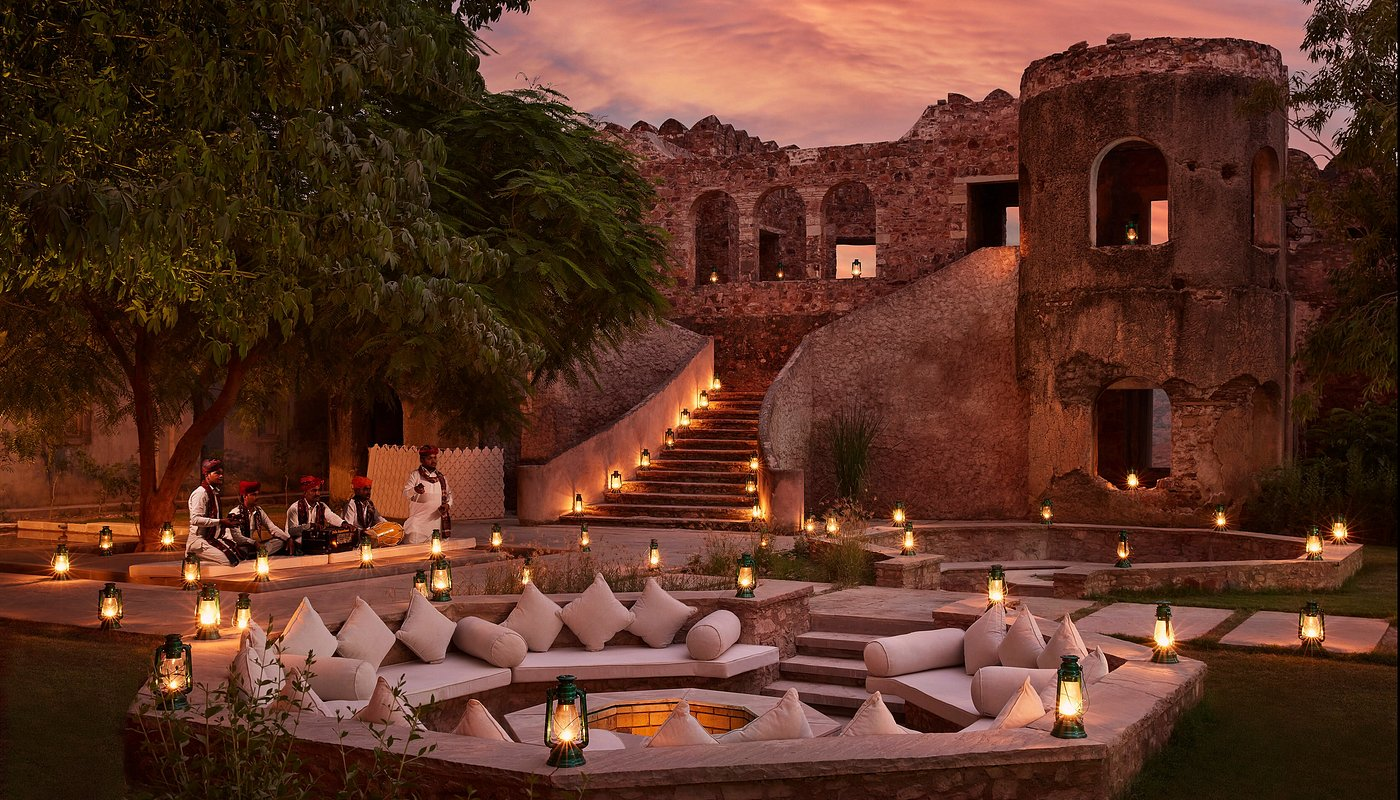
Historic Architecture: The ancient Mardana Mahal and Zenana Mahal palaces showcase grand historic Rajput features paired with sustainable design and traditional wall plastering.
Unique Guest Experience: The historic Zenana Mahal (Women's Palace) serves as a wellness center offering Ayurvedic rituals underneath soaring stone arches.
Insider Tip: Book an Aravali or Fort Suite to enjoy views of the morning mist lifting off the surrounding hills and lake from your private terrace.
The Udaipur Region: Lakeside Palace Stays
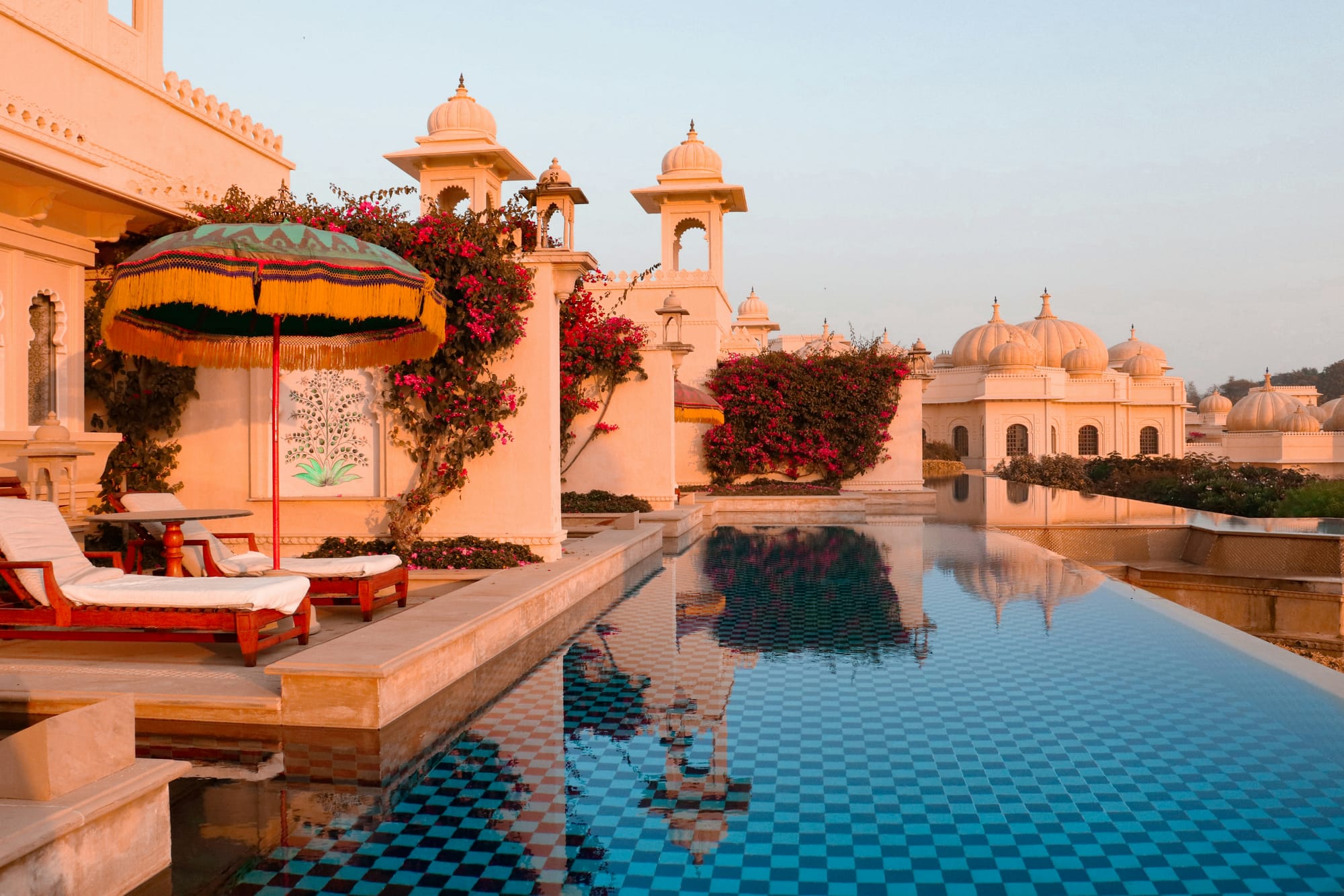
Known as the Venice of the East, Udaipur is built around a network of shimmering lakes.
Commissioned in 1746 by Maharana Jagat Singh II, this white marble wonder was built as an island summer pleasure palace on Lake Pichola.
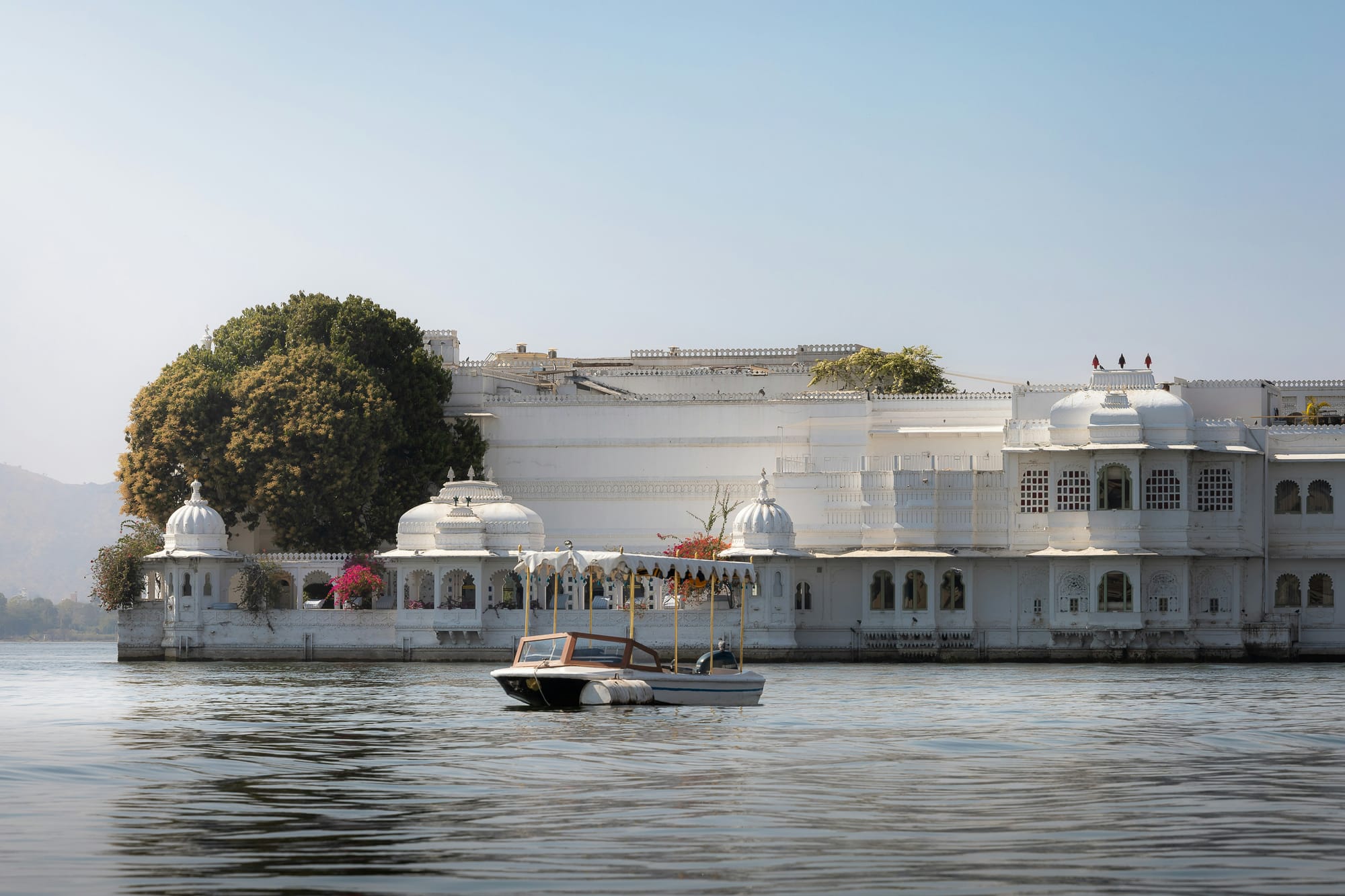
Historic Architecture: The structure covers a four-acre natural rock island, ensuring every room offers uninterrupted water views looking back at the illuminated city.
Unique Guest Experience: Arrive via a private vintage wooden boat to a shower of rose petals, and watch classical Rajasthani dancers perform around the central lily-pond courtyard.
Insider Tip: Opt for a Historical Suite, such as the Sajjan Niwas Suite, to enjoy original 18th-century stained glass and intricate mosaic work.
Located 45 minutes north of Udaipur in the Delwara valley, this 18th-century hilltop fortress historically guarded a critical mountain pass.
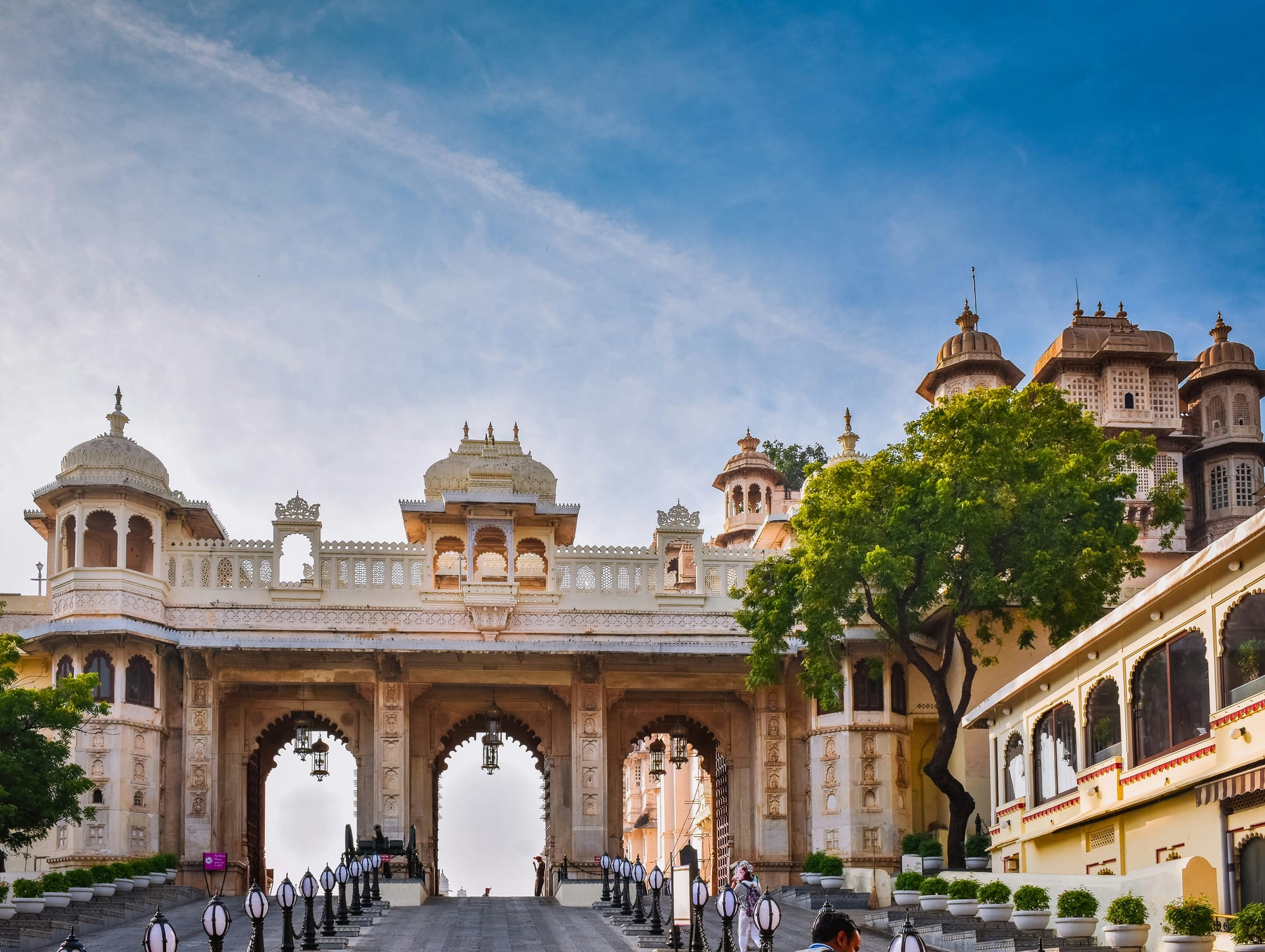
Historic Architecture: The rugged exterior preserves the look of a classic Rajput fort, while the interiors transform into a sleek, minimalist oasis of white local marble.
Unique Guest Experience: Take a guided walk through the ancient village of Delwara with a hotel historian, followed by a private dinner in a candle-lit alcove of the fortress ramparts.
Insider Tip: Ideal for design lovers seeking quiet. Plan a two-night stay to fully disconnect and enjoy the wellness facilities.
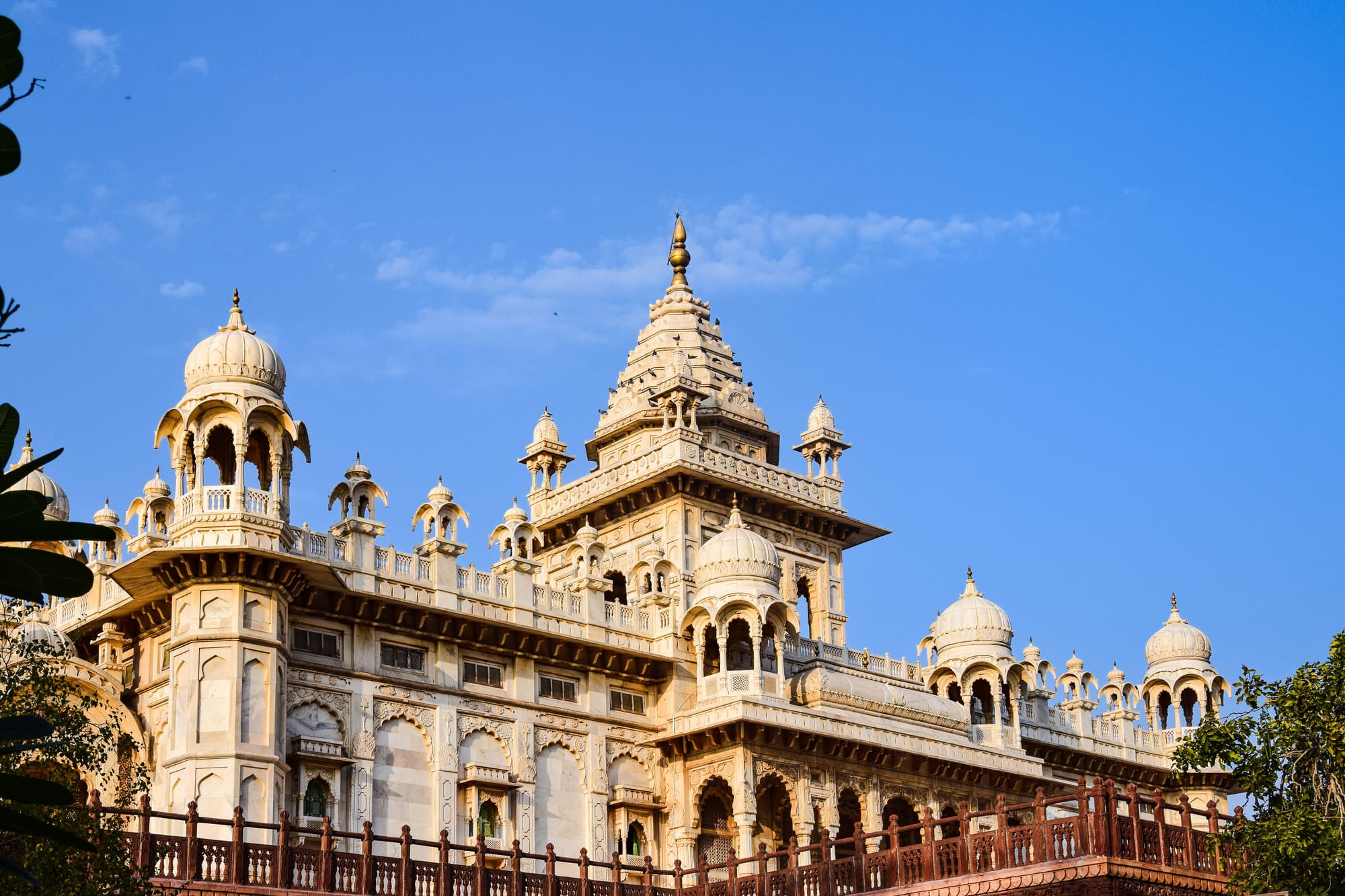
The Jodhpur Region: The Blue City
Jodhpur is defined by its iconic blue-washed houses and the formidable Mehrangarh Fort.
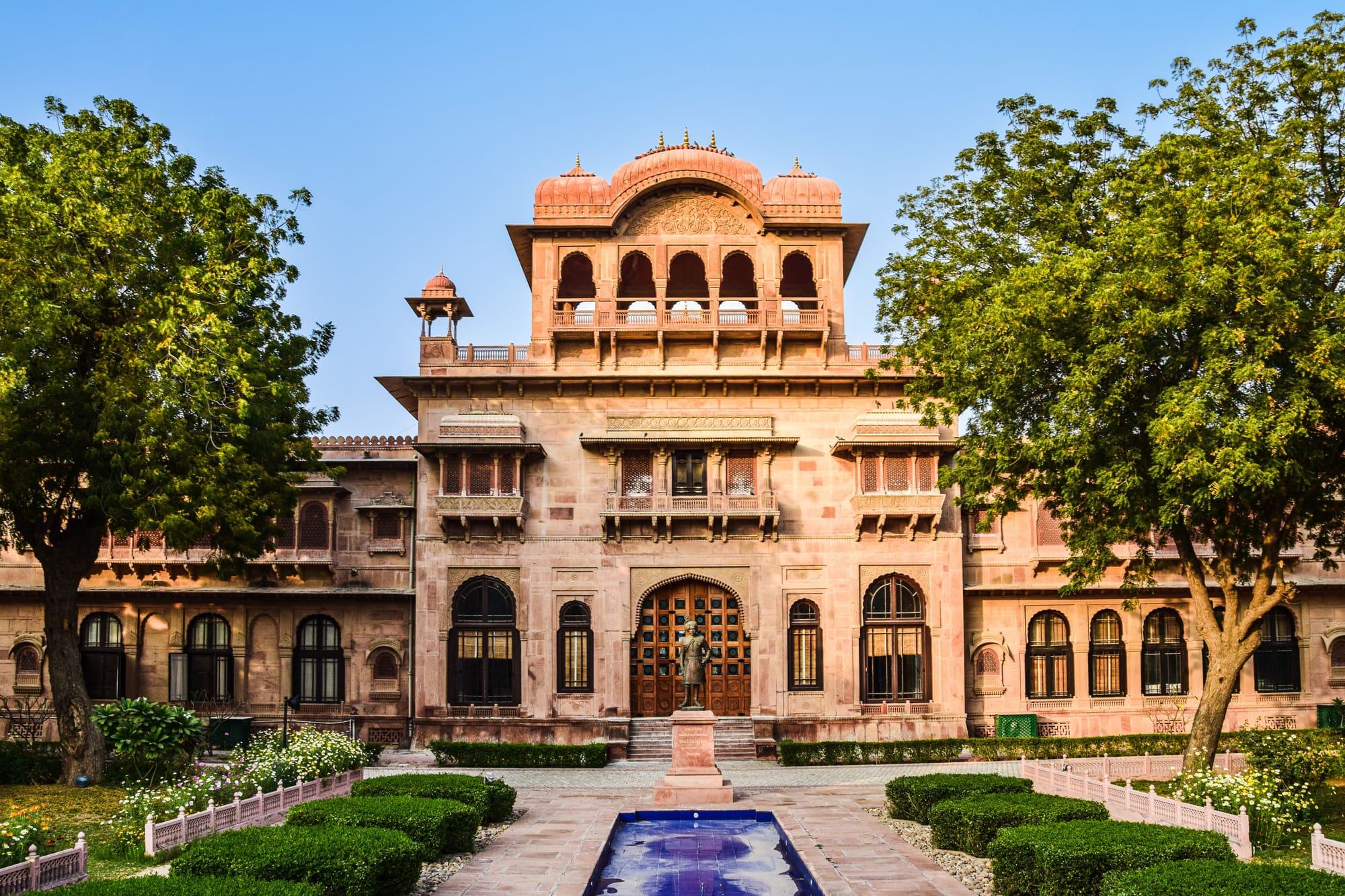
Built between 1928 and 1943 using golden Chittar sandstone, a private wing of this monumental estate remains the actual home of the current Jodhpur royal family.
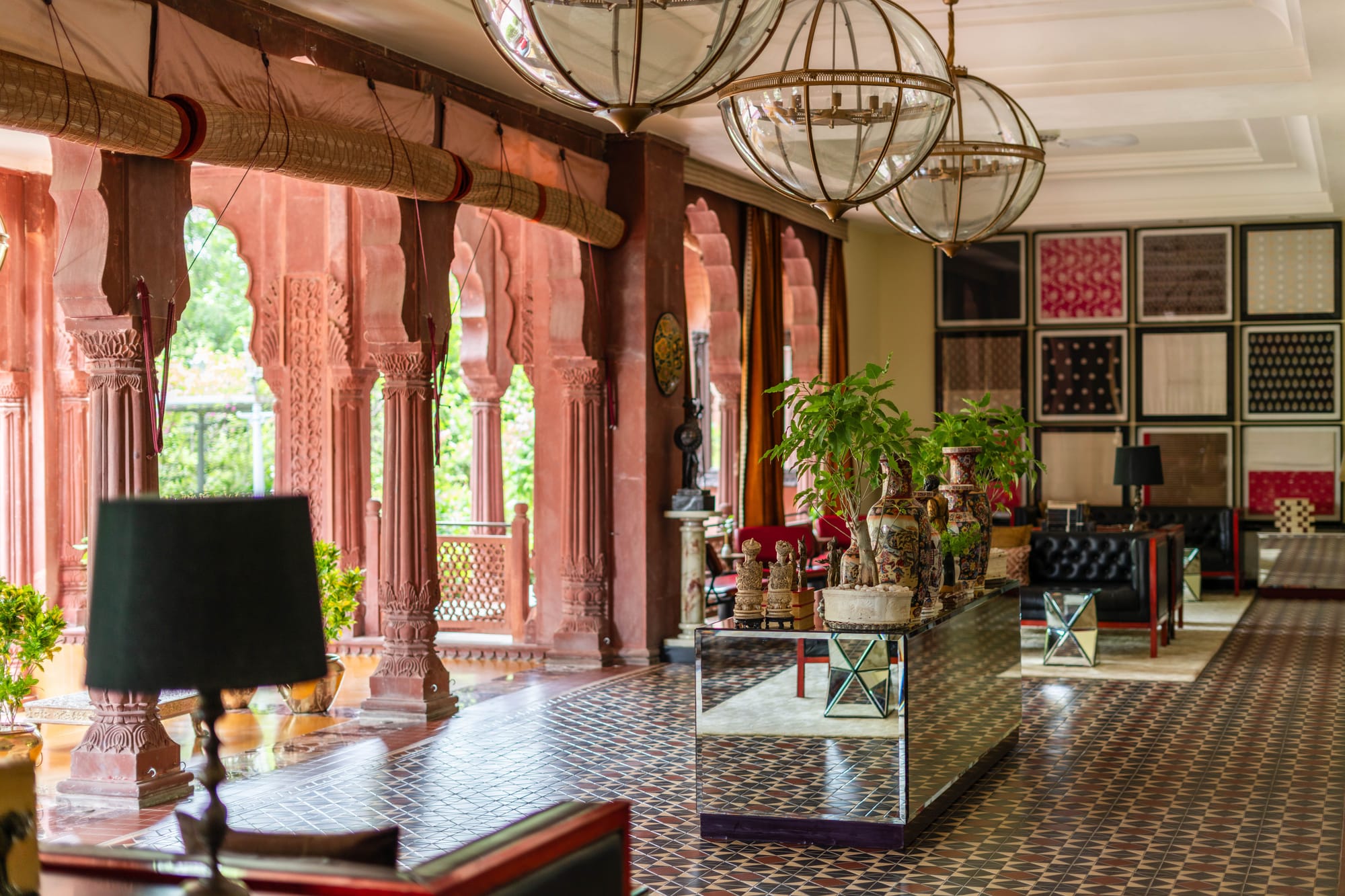
Historic Architecture: The exterior features a symmetrical Beaux-Arts design, while the interior boasts a 105-foot-high central dome in lavish Art Deco style.
Unique Guest Experience: Tour the palace’s private museum with the resident royal butler to view rare collections of antique clocks, vintage cars, and historic weapons.
Insider Tip: Request a room with a Fort View to look directly across the valley at the illuminated profile of Mehrangarh Fort at night.
What is the Best Month to Visit Rajasthan?
Timing your journey is critical due to the dramatic seasonal shifts in the desert climate
- Peak Season (October to March): This is the best time to visit Rajasthan. Daytime temperatures hover comfortably between 22°C and 30°C, bringing bright, sunny days and crisp, cool evenings perfect for sightseeing.
Booking Tip: Reserve your heritage suites 4-6months in advance to secure availability during these prime months.
- Shoulder Season (April and September): April brings pre-summer heat with temperatures frequently crossing 38°C, while September marks the tail end of the monsoon season. Booking during the shoulder months unlocks excellent value and heavily discounted luxury resort rates.
- Off-Peak Season (May to August): Summer in the desert is intense, with temperatures routinely soaring past 40°C. While luxury palace hotels offer excellent air conditioning and oasis-style pools, outdoor sightseeing becomes exhausting.
What to Pack for a Luxury Trip to Rajasthan?
Packing for a Rajasthan palace stay requires a balance between hot daytime sun, dropping evening temperatures, and deep cultural respect:
- Breathable, Full-Coverage Clothing: Pack lightweight linen trousers, long maxi skirts, and loose cotton shirts. Keeping shoulders and knees covered is essential to stay cool while respecting local customs at sacred temples and historic forts.
- Lightweight Scarf or Pashmina: A versatile accessory to protect your face from dust during transit, shade your shoulders from the midday sun, or use as a respectful head or shoulder covering when entering religious sites.
- Warm Layers for Desert Evenings: Desert temperatures drop rapidly after dark, especially during the winter peak season. Bring a light jacket, sweater, or cashmere cardigan for outdoor palace dinners and cultural performances.
- Comfortable, Slip-On Walking Shoes: Sturdy footwear is required for walking across gravel paths, uneven cobblestones, and steep fort inclines. Choosing slip-on styles saves time, as you must frequently remove your shoes before entering temples and specific palace wings.
Ready to Experience True Rajasthani Splendor?

Your royal journey is waiting. Don't leave your dream suite to chance, secure your piece of living history today. Explore our exclusively curated collection of 5-star heritage hotels to lock in competitive luxury rates and start planning an unforgettable escape into the Land of Kings!